
Deliver sAfe and Social Housing: Handbook

Book

ISBN 978-86-80029-98-6
Year of publishing: 2026
Title: Deliver sAfe and Social Housing: Handbook
DOI: https://doi.org/10.46793/DASH.80029.98
Editors: Zlata Vuksanović-Macura, Rikke Skovgaard Nielsen
Publisher: Geographical institute “Jovan Cvijić” SASA

Abstract. Access to adequate, secure and affordable housing is a shared European challenge, yet the institutions and practices used to address it differ substantially. This Handbook synthesises knowledge and experiences generated through Deliver sAfe and Social Housing (DASH), a transdisciplinary project that connects researchers, local authorities, housing providers, and civil society organisations in Denmark, Germany, Portugal, and Serbia. Particular attention is given to the cities of Aalborg, Tübingen, Braga and Čačak.

Drawing on staff exchanges, field visits, cross-evaluations and collaborative research, the publication brings together national and local housing accounts, partner reflections, examples of housing policies and projects, residents’ testimonies and comparative analyses. It examines how historical trajectories, institutional arrangements, financing mechanisms, land policies and planning systems shape the provision and long-term sustainability of social and affordable housing. Residents’ accounts complement institutional perspectives by illustrating how housing shapes everyday life, belonging and community relations.

Across these diverse contexts, the Handbook identifies four interconnected lessons: institutional capacity is as important as housing supply; affordability extends beyond rent to encompass household resources, utilities, transport and access to services; social inclusion requires deliberate and sustained action; and meaningful policy learning depends on understanding the conditions that support particular practices.

Rather than proposing a universally transferable model, the Handbook offers context-sensitive principles and questions for research, policy and practice. It supports dialogue on financing, land stewardship, tenant participation and the institutional foundations of long-term housing affordability.

Key words: social housing, housing systems, housing policy, planning for housing, Europe

Download the full-text PDF: Deliver sAfe and Social Housing: Handbook


Book of Abstracts DASH

Каталог изложбе

ISBN 978-86-80029-99-3
Year of publishing: 2026
Title: Book of Abstracts. International Conference Deliver Safe and Social Housing
https://doi.org/10.46793/DASH.80029.99boa
Editors: Zlata Vuksanović-Macura, Els Keunen, Alda Botelho Azevedo, Sara Neves
Publisher: Geographical institute “Jovan Cvijić” SASA

Venue: Serbian Academy of Sciences and Arts, Kneza Mihaila 35, Belgrade, Serbia
Date: 28–29 October, 2026

Abstract. This Book of Abstracts brings together contributions to the international conference Deliver sAfe and Social Housing, organised as the final event of the DASH project, which is supported by the European Union’s Horizon Europe, Marie Skłodowska-Curie Actions project. The conference is held at the Serbian Academy of Sciences and Arts in Belgrade, Serbia, on 28–29 October 2026 and organised by the DASH consortium — Geographical Institute “Jovan Cvijić” SASA; Aalborg Municipality; Aalborg University, Department of the Built Environment; Association of Urban Planners of Serbia; Braga Municipality; City Housing Agency Čačak; Cooperativa Integral Minga; Domus Social; Gaiurb; Department of Urban and Spatial Planning; Himmerland Housing Association; INWOLE, Association for Innovative Forms of Housing and Living; Universidade de Lisboa, Instituto de Ciências Sociais; Universitätsstadt Tübingen; University of Stuttgart, Department of International Urbanism and Design — in cooperation with the German Institute for Economic Research-DIW, Berlin and the Institute for Recent History of Serbia.

The Deliver sAfe and Social Housing conference provides a forum for researchers, practitioners and policymakers to exchange knowledge and critically reflect on the conditions needed to secure adequate, affordable and inclusive housing. The contributions approach housing through different disciplinary perspectives, geographical contexts and scales of analysis. They connect historical trajectories with contemporary challenges, examining how planning systems, ownership structures, financing arrangements and public policies shape housing opportunities. Alongside questions of provision and affordability, they address housing quality, climate adaptation, energy poverty and the capacity of existing buildings and neighbourhoods to accommodate changing needs. Cooperative and community-led initiatives open further discussion about participation, collective responsibility and alternative forms of housing provision.

A central concern running through the programme is the relationship between policy intentions and lived realities. Contributions on migration, ageing, social exclusion and everyday experiences of home underline the importance of understanding housing beyond the dwelling itself. They invite us to consider how security, care, belonging and access to urban resources are enabled—or constrained—by institutional arrangements and spatial decisions. As editors, we see this collection as both a record of current research and practice and an invitation to further dialogue. Bringing together experiences from Europe and beyond, it supports the DASH commitment to mutual learning across academic, professional and institutional boundaries.

Keywords: social housing; housing policy; housing systems; housing affordability; urban and spatial planning; housing provision and management; social inclusion; housing quality and sustainability; community-led housing.

Download the full-text PDF: Book of Abstracts. International Conference Deliver Safe and Social Housing

Exhibition Catalogue

Exhibition Catalogue

ISBN: 978-86-6184-142-2
Year of publication: 2026
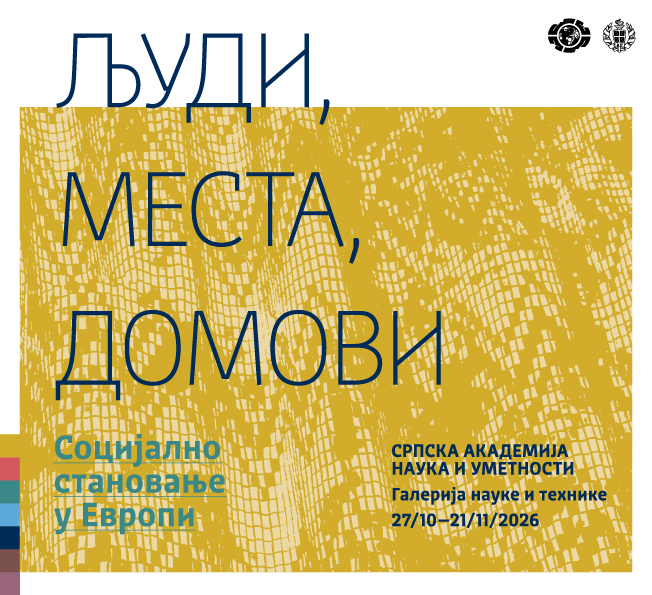
Title: People, Places, Homes: Social Housing Across Europe

DOI: https://doi.org/10.46793/DASH.pph

Curators and authors: Zlata Vuksanović-Macura, Sara Neves, Lene Wiell Nordberg, Natalia Irina Roman, Olga Feio, Joana Pack
Publishers: Serbian Academy of Sciences and Arts; Geographical Institute “Jovan Cvijić” SASA
Exhibition venue: Gallery of Science and Technology, Serbian Academy of Sciences and Arts, Belgrade, Serbia
Exhibition dates: 27 October – 21 November 2026

Abstract. People, Places, Homes: Social Housing Across Europe is an exhibition and accompanying catalogue developed within the Deliver sAfe and Social Housing (DASH) project, supported by the European Union’s Horizon Europe programme through the Marie Skłodowska-Curie Actions. Bringing together housing policies, projects and experiences from Denmark, Germany, Portugal and Serbia, the exhibition explores how safe, affordable and inclusive housing is shaped by institutional arrangements, spatial decisions and residents’ everyday lives.

The exhibition is organised around six interconnected themes: policy instruments, social inclusion, public spaces, adaptive reuse, construction methods and experimental housing approaches. Through examples from different European contexts, it examines how housing is planned, financed, designed, managed and maintained, highlighting the relationships between affordability, social sustainability, environmental performance and community participation. A separate section presents student proposals developed through the Common Ground design studios at the University of Stuttgart, exploring possibilities for housing and neighbourhood regeneration in Porto and Vila Nova de Gaia.

Combining educational and participatory approaches, the exhibition addresses researchers, practitioners, policymakers, students and the wider public. It challenges simplified perceptions of social housing and encourages reflection on housing as more than a dwelling: a foundation for security, belonging and community life. Rather than promoting a single model, the exhibition invites dialogue and mutual learning about the conditions needed to make safe, affordable and inclusive housing a lasting reality.

Keywords: social housing; affordable housing; housing policy; social inclusion; public spaces; adaptive reuse; housing design and construction; community participation; housing sustainability; Europe.

Download the full-text PDF: People, Places, Homes: Social Housing across Europe


Participation of a Geographical Institute Associate in a Conference in Germany

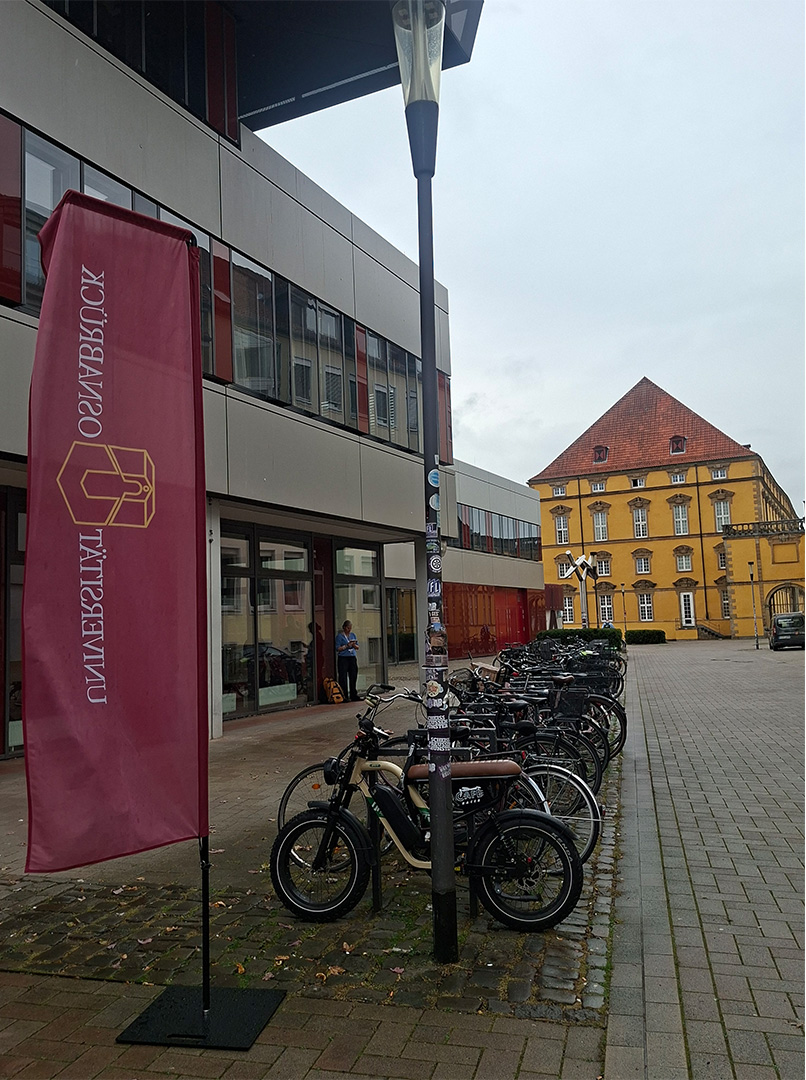
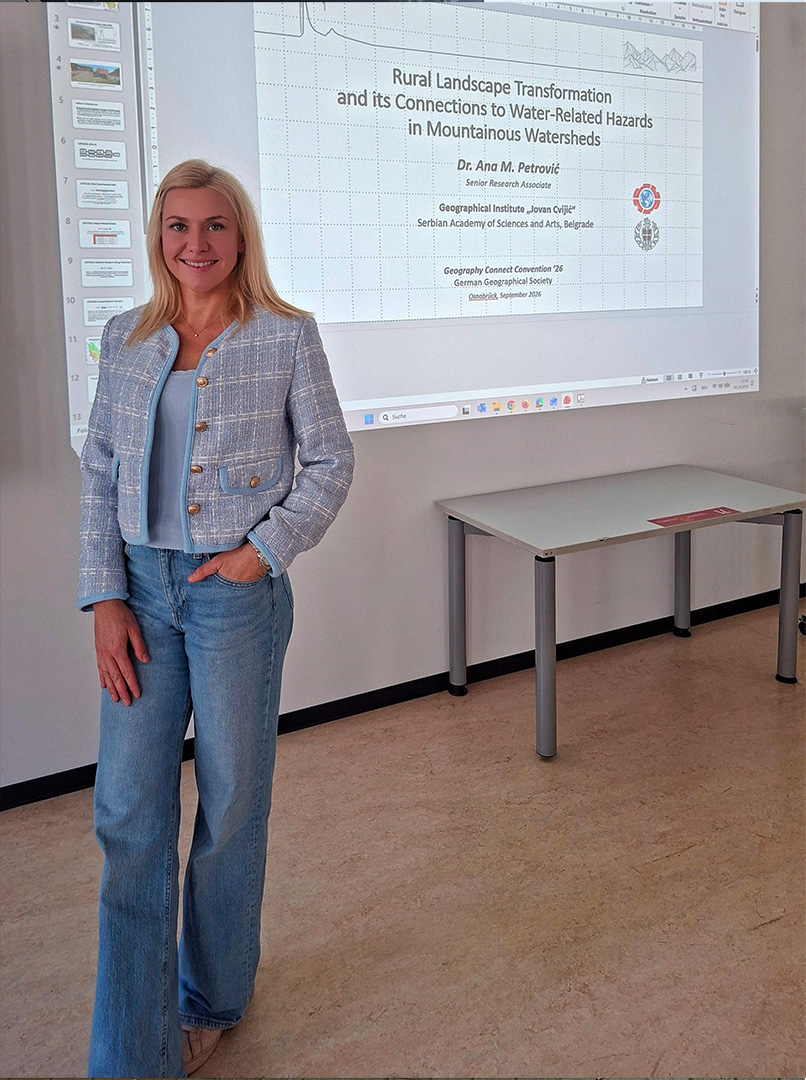
Dr. Ana M. Petrović, a researcher at the Geographical Institute “Jovan Cvijić” of the Serbian Academy of Sciences and Arts (SASA), participated in the German Geographical Society’s Geography Connect Convention, held at the University of Osnabrück, Germany, from 30 September to 2 October 2026.

On this occasion, our colleague presented the findings of her latest research entitled Rural Landscape Transformation and Its Connections to Water-Related Hazards in Mountainous Catchments.

Participation in this important scientific conference provided an opportunity to exchange knowledge and research experiences, as well as to learn about the latest scientific advances, current research trends, and contemporary methodological approaches in the field of geography.

Photo:

Cooperation Agreement Signed between the Faculty of Natural Sciences and Mathematics and the Geographical Institute “Jovan Cvijić” SASA

Signatory Organization: Faculty of Natural Sciences and Mathematics, University of Banja Luka

Date: November 5, 2026

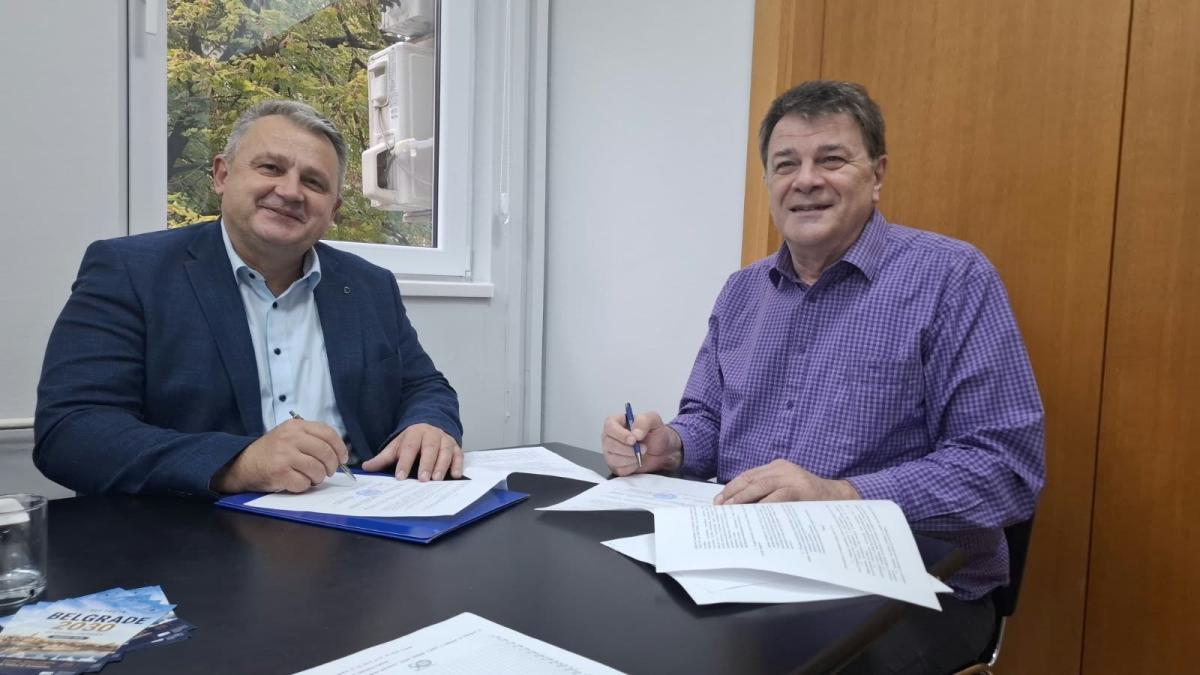
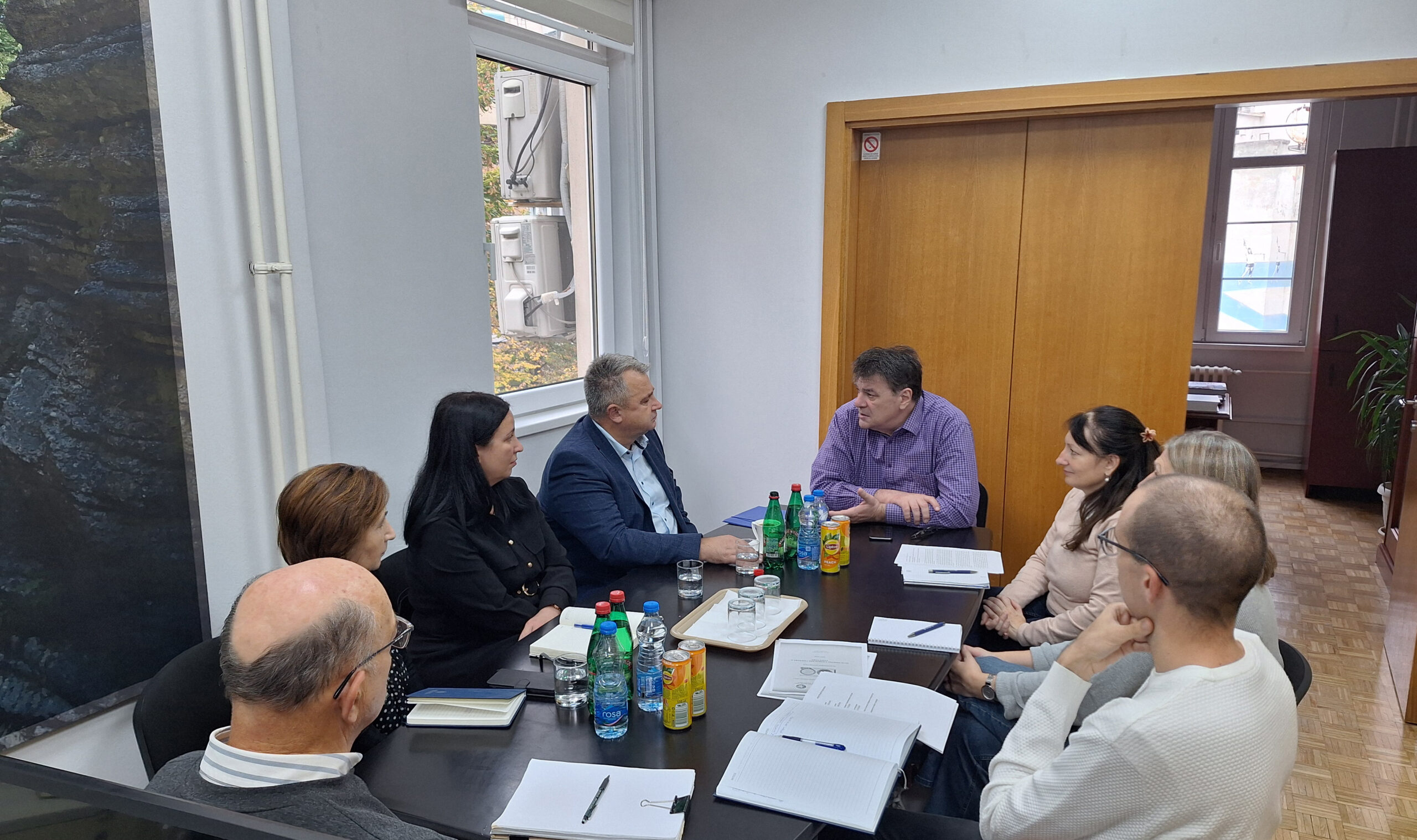
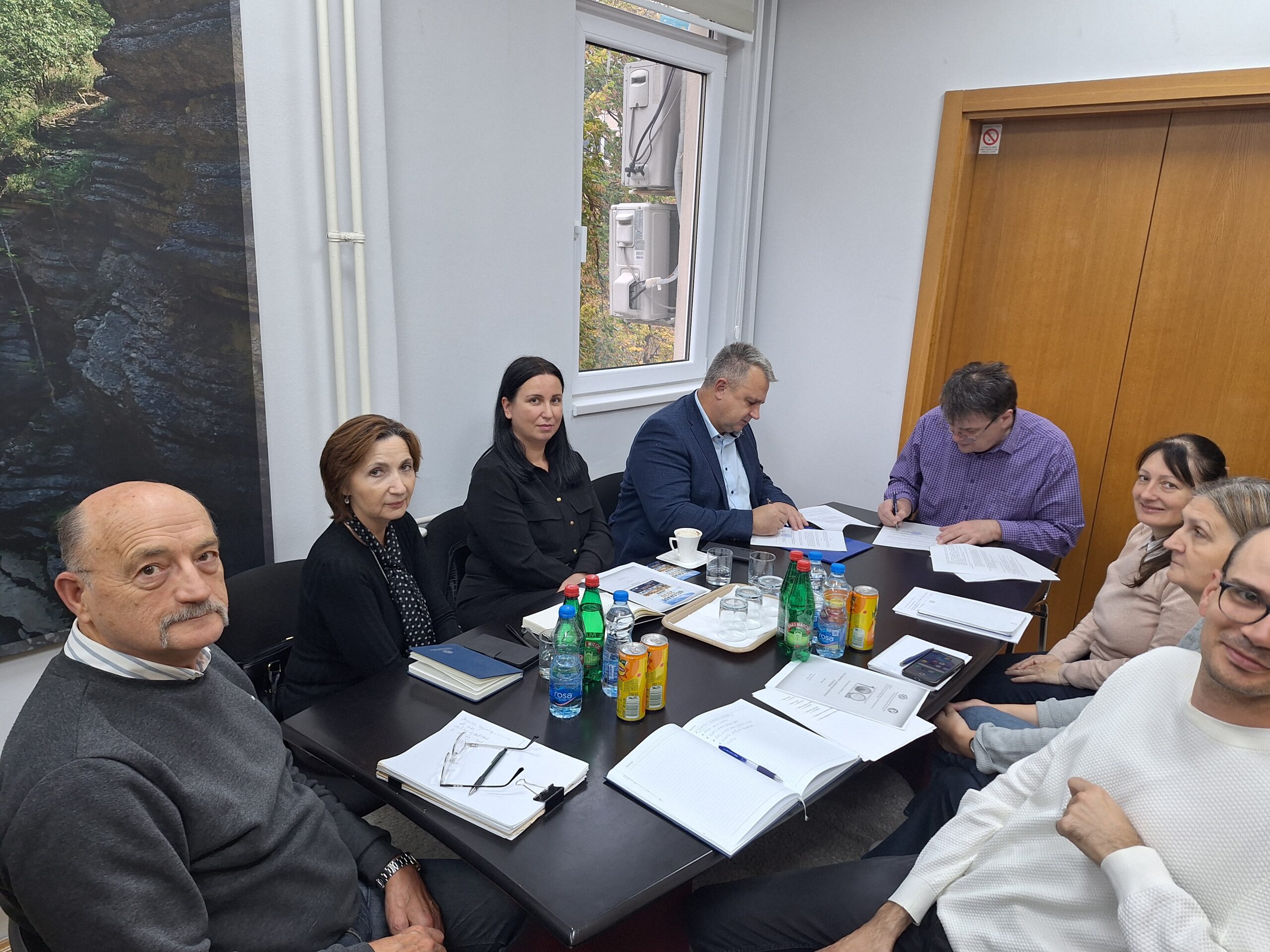
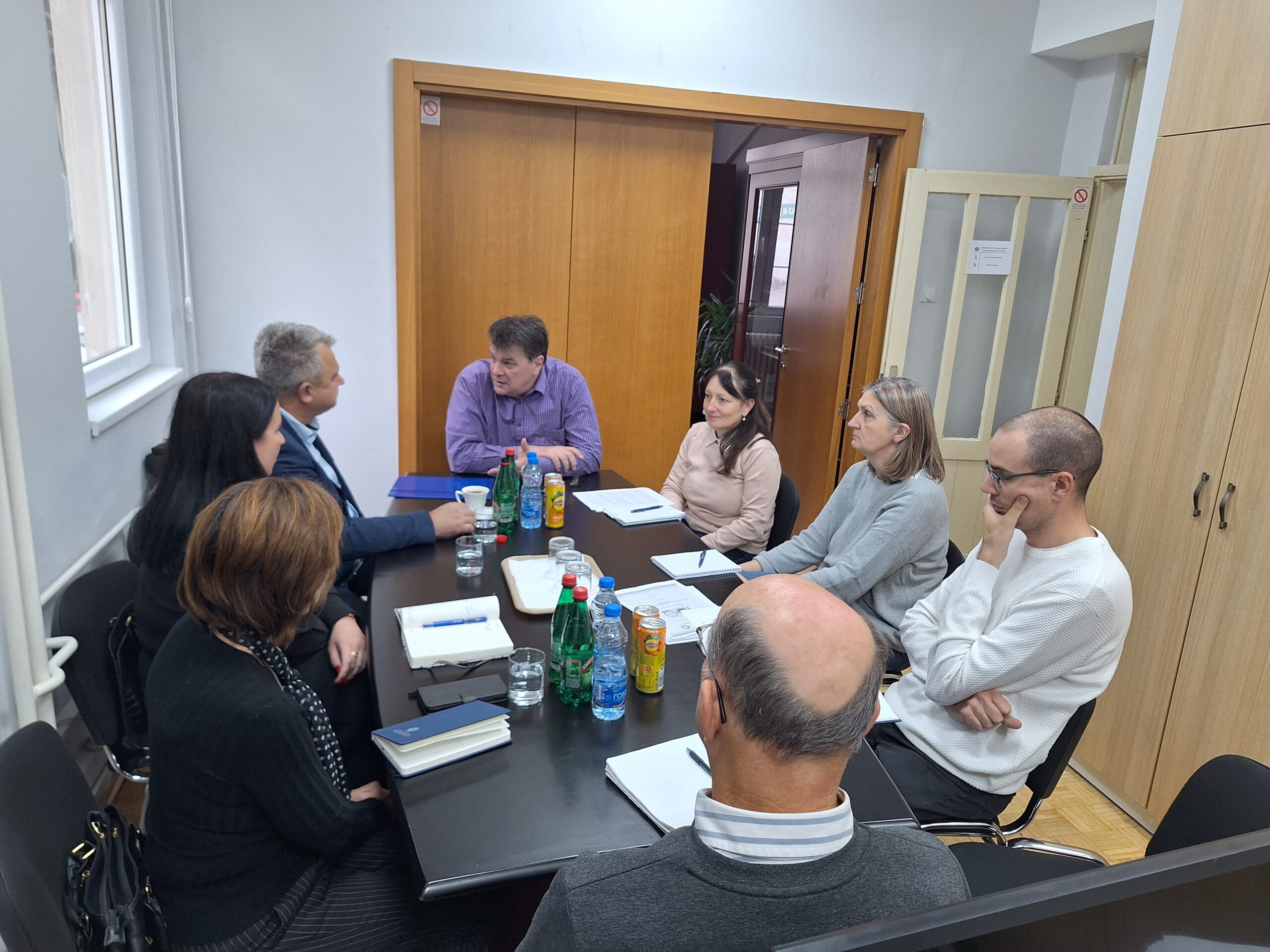
On Thursday, 5 November 2026, Prof. Dr. Goran Trbić, Dean of the Faculty of Natural Sciences and Mathematics at the University of Banja Luka; Prof. Dr. Tatjana Popov, Vice-Dean for Scientific Research at the Faculty of Natural Sciences and Mathematics, University of Banja Luka; and Prof. Dr. Mira Mandić, President of the Geographical Society of Republic of Srpska visited the Geographical Institute “Jovan Cvijić” of the Serbian Academy of Sciences and Arts.

On this occasion, Dr. Milan Radovanović, Director of the Geographical Institute “Jovan Cvijić” SASA and Prof. Dr. Goran Trbić, Dean of the Faculty of Natural Sciences and Mathematics at the University of Banja Luka, signed an Agreement on Scientific Cooperation between our two institutions.

During a constructive and collegial discussion between the delegation from the Faculty of Natural Sciences and Mathematics, University of Banja Luka, and representatives of the Institute, including, Director Dr. Milan Radovanović, Deputy Director Dr. Ana Milanović Pešić, and colleagues Dr. Stefan Denda, Dr. Zlata Vuksanović-Macura, and Dragoljub Štrbac,opportunities for further strengthening institutional and scientific-research cooperation between the two institutions were explored. Particular emphasis was placed on the opportunities for conducting joint research and projects, exchanging knowledge and experience, organizing scientific and professional conferences, and developing other mutually beneficial forms of collaboration.

As one of the initial steps under the new cooperation, the parties agreed to jointly organise the international scientific conference “The 6th Congress of Slavic Geographers and Ethnographers “ which is scheduled to take place in Banja Luka in October 2027.

Source: Ana Milanović Pešić

Foto:

Study stay of the researchers within the implementation of a bilateral project between the Geographical Institute “Jovan Cvijić” SASA and Arts and the Institute of Geography RA

Project ID:

Project leader: Dr Ana Milanović Pešić and Dr Mihaela Sima

Project duration: 2025 to 2027

Executive contractors: the Geographical Institute “Jovan Cvijić” SASA and the Institute of Geography RA

List of participants: Dr Mirjana Rašević, Corresponding Member of SASA (project coordinator), Dr Milan Radovanović, Dr Jovana Brankov, Dr Darko Vuković, Dr Boško Milovanović, Dr Marko D. Petrović, Dr Jelena Ćalić, Dr Milena Panić, Dr Marko V. Milošević, Dr Stefan Denda and Dr Suzana Lović Obradović, Academician of RA, Dr Dan Balteanu, Dr Monica Dumitrascu, Dr Diana Dogaru, Dr Ines Grigorescu, Dr Gheorghe Kucsicsa, Dr Marius Birsan, Dr Bianca Mitrica, Dr Nicoleta Damian, Dr Gabriela Morosanu, Dr Laura Lupu, and Dr Alexandra Vrinceanu.

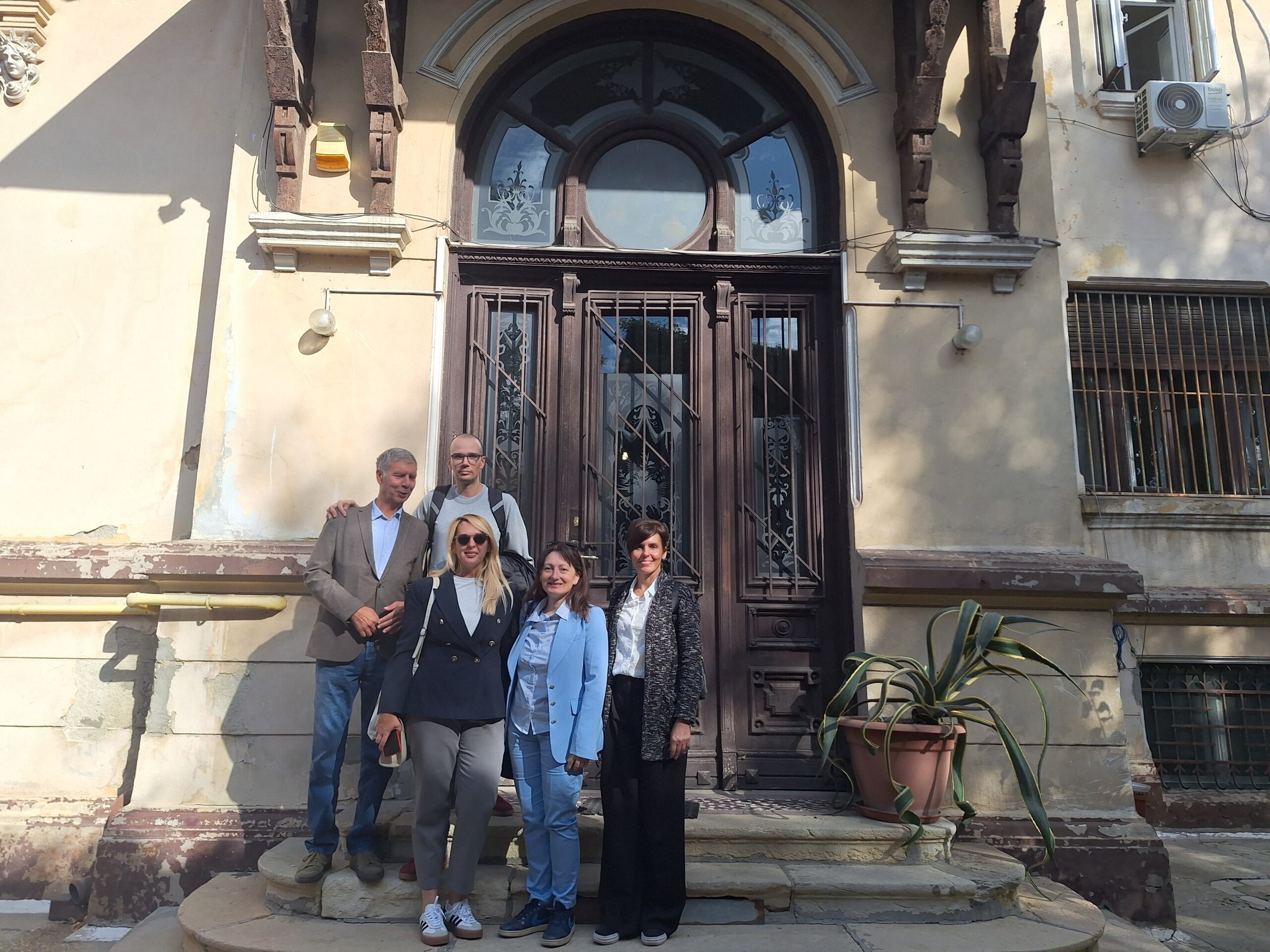
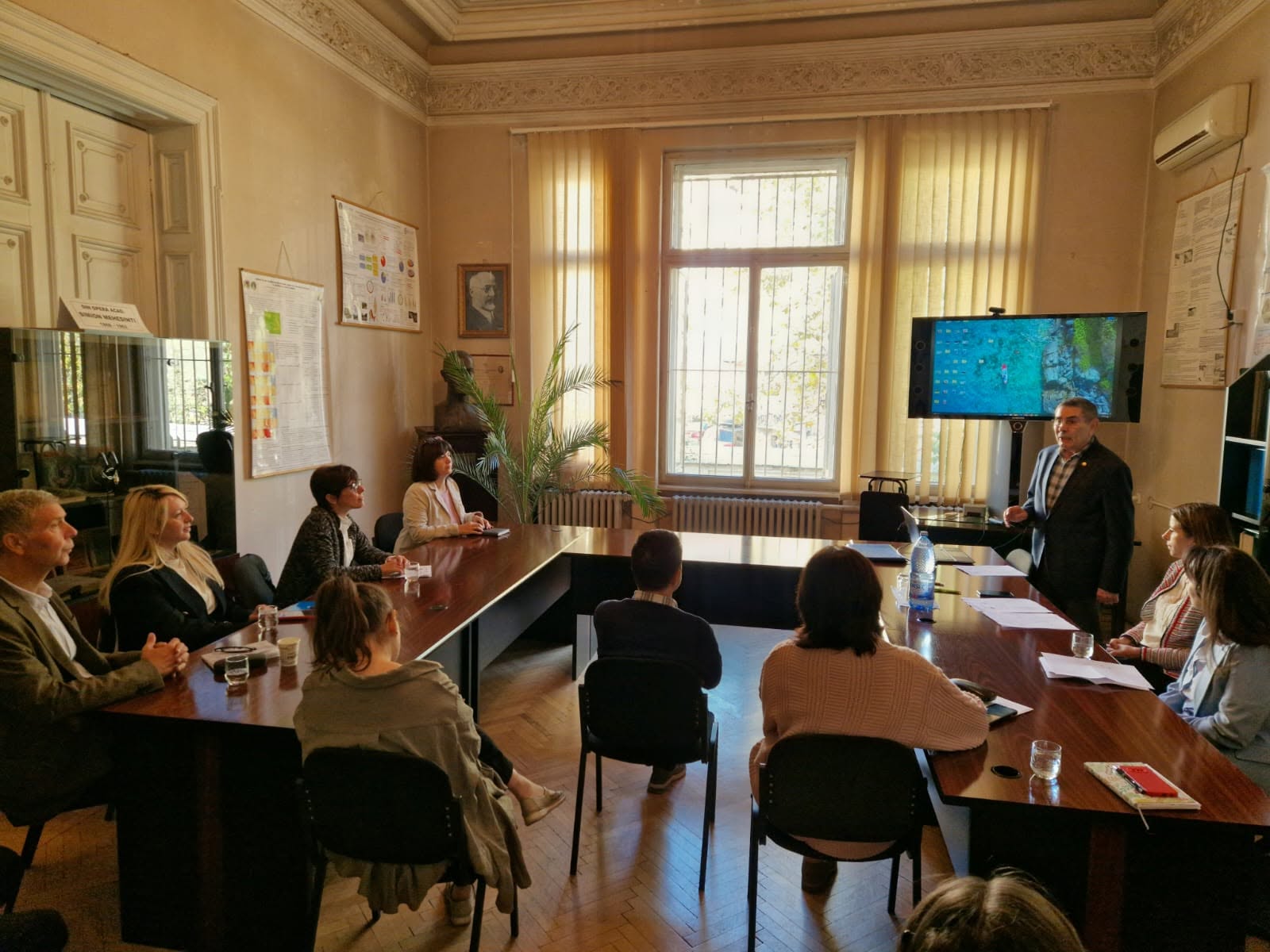
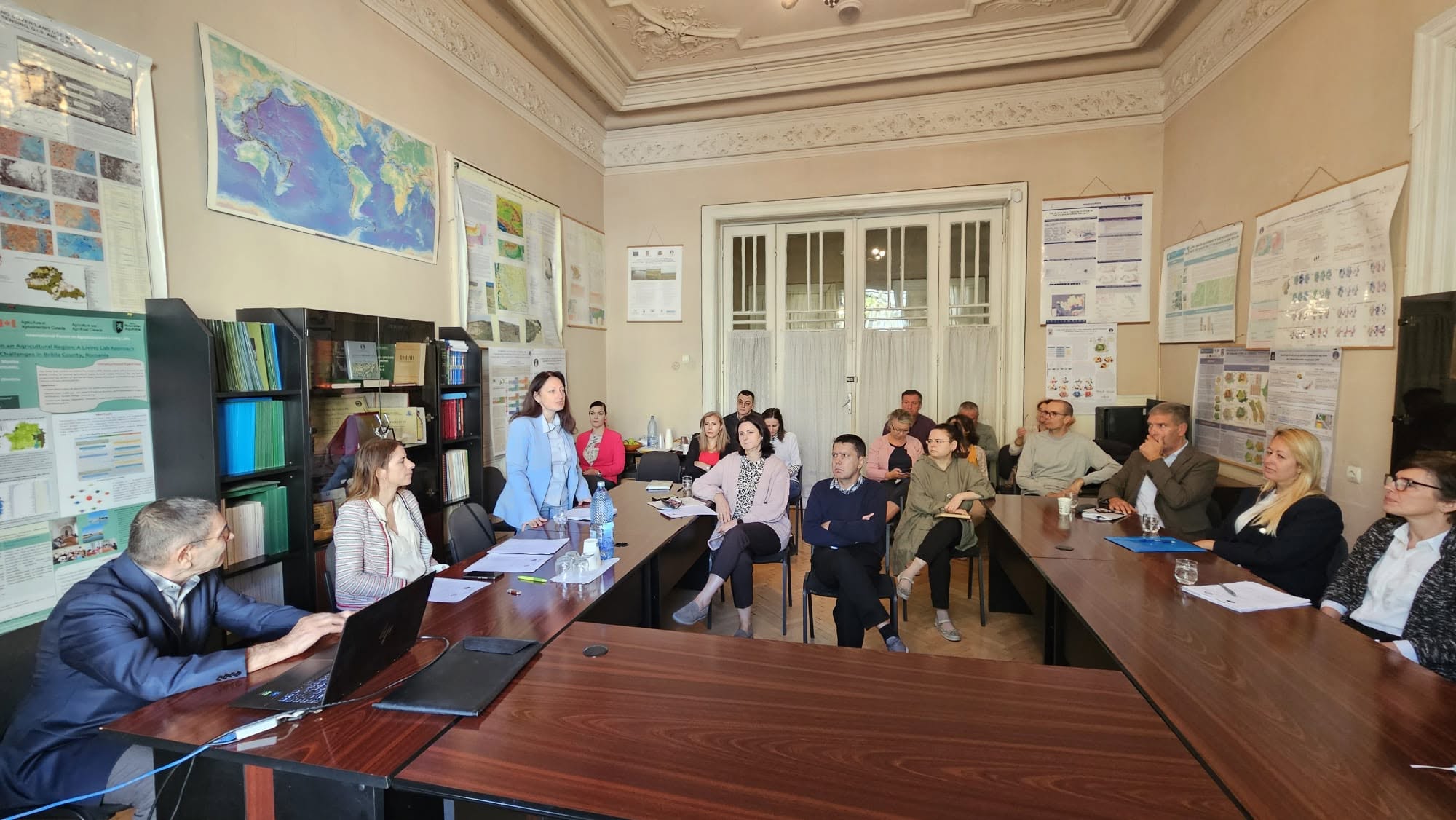
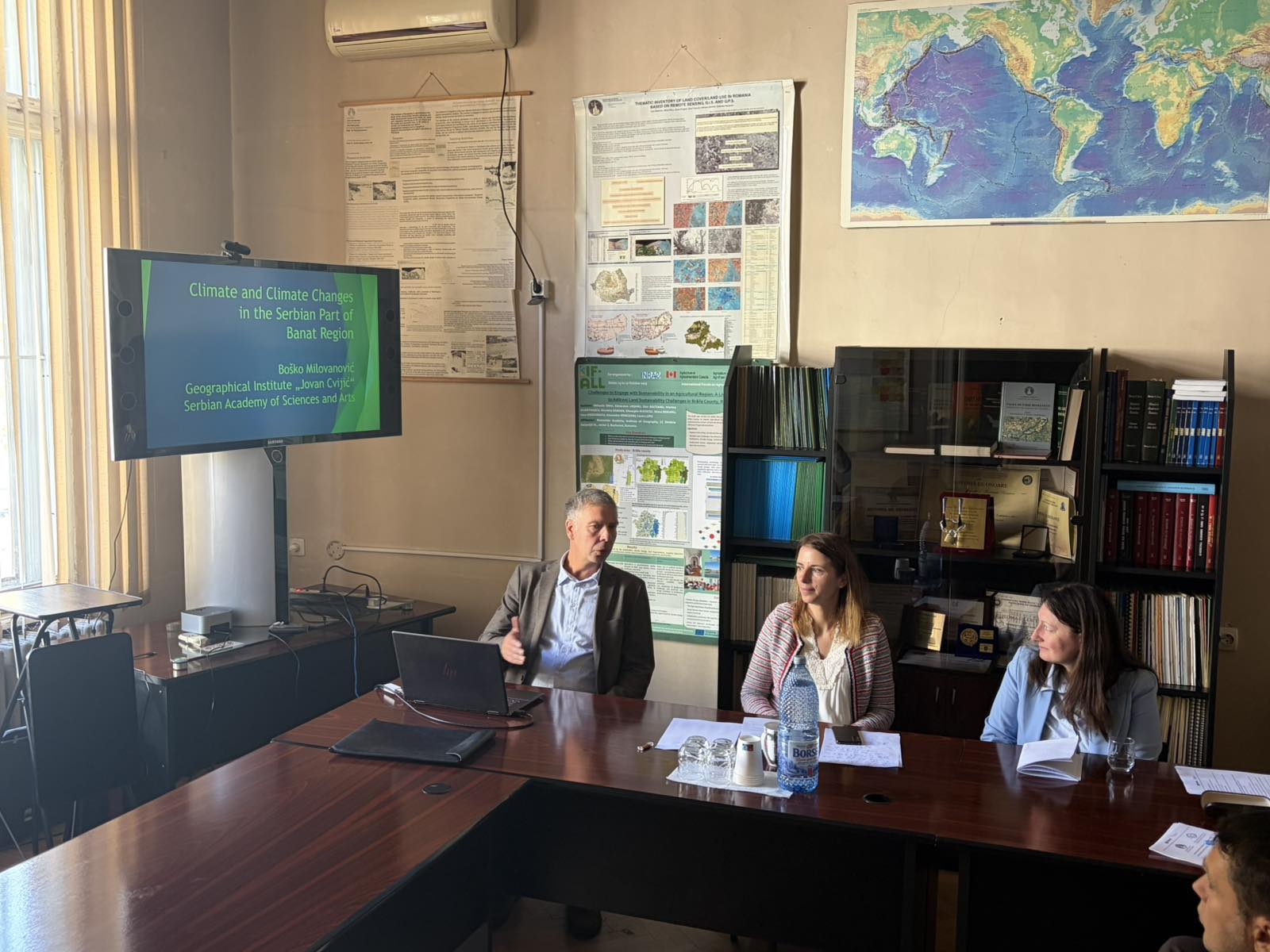
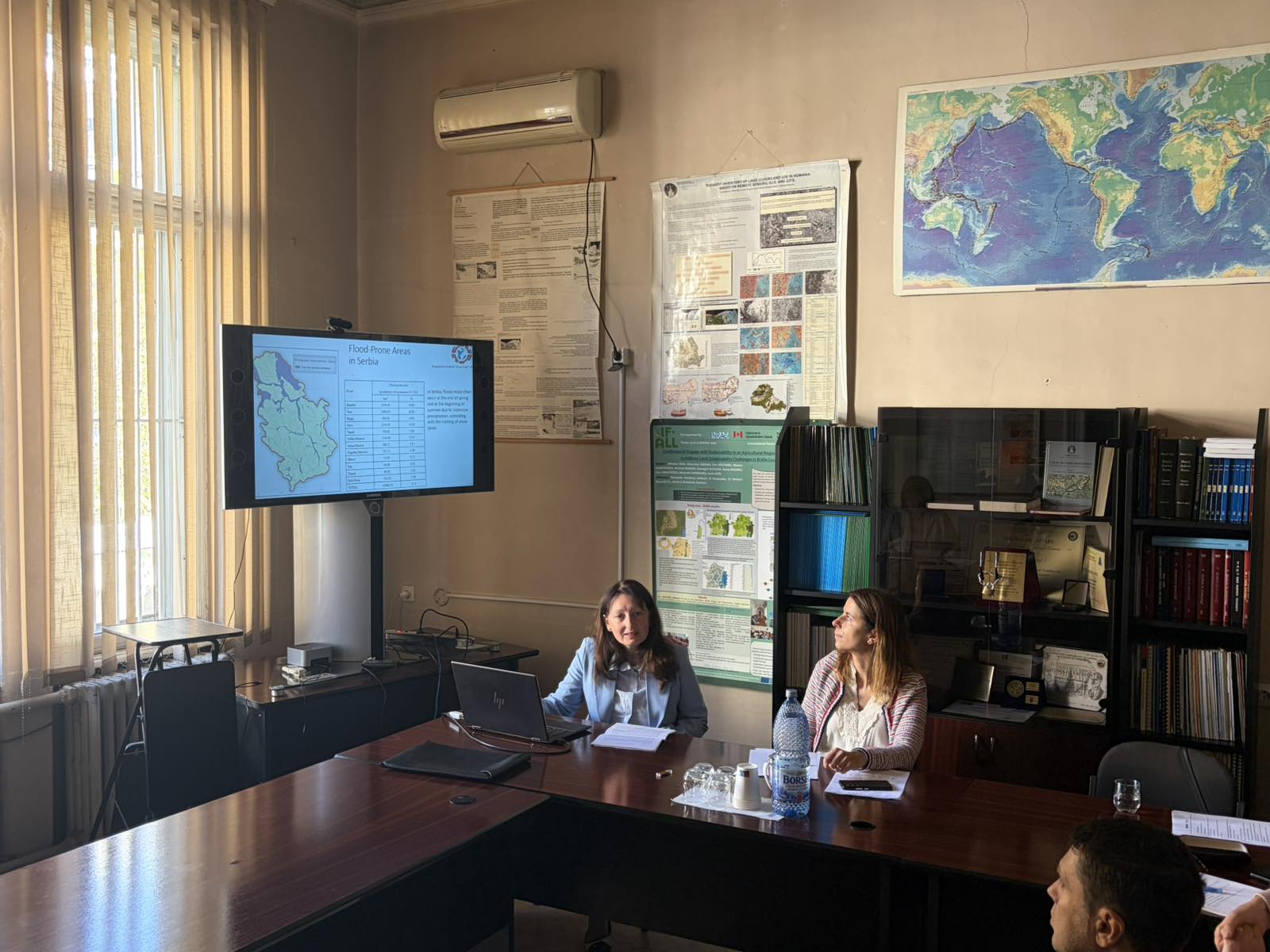
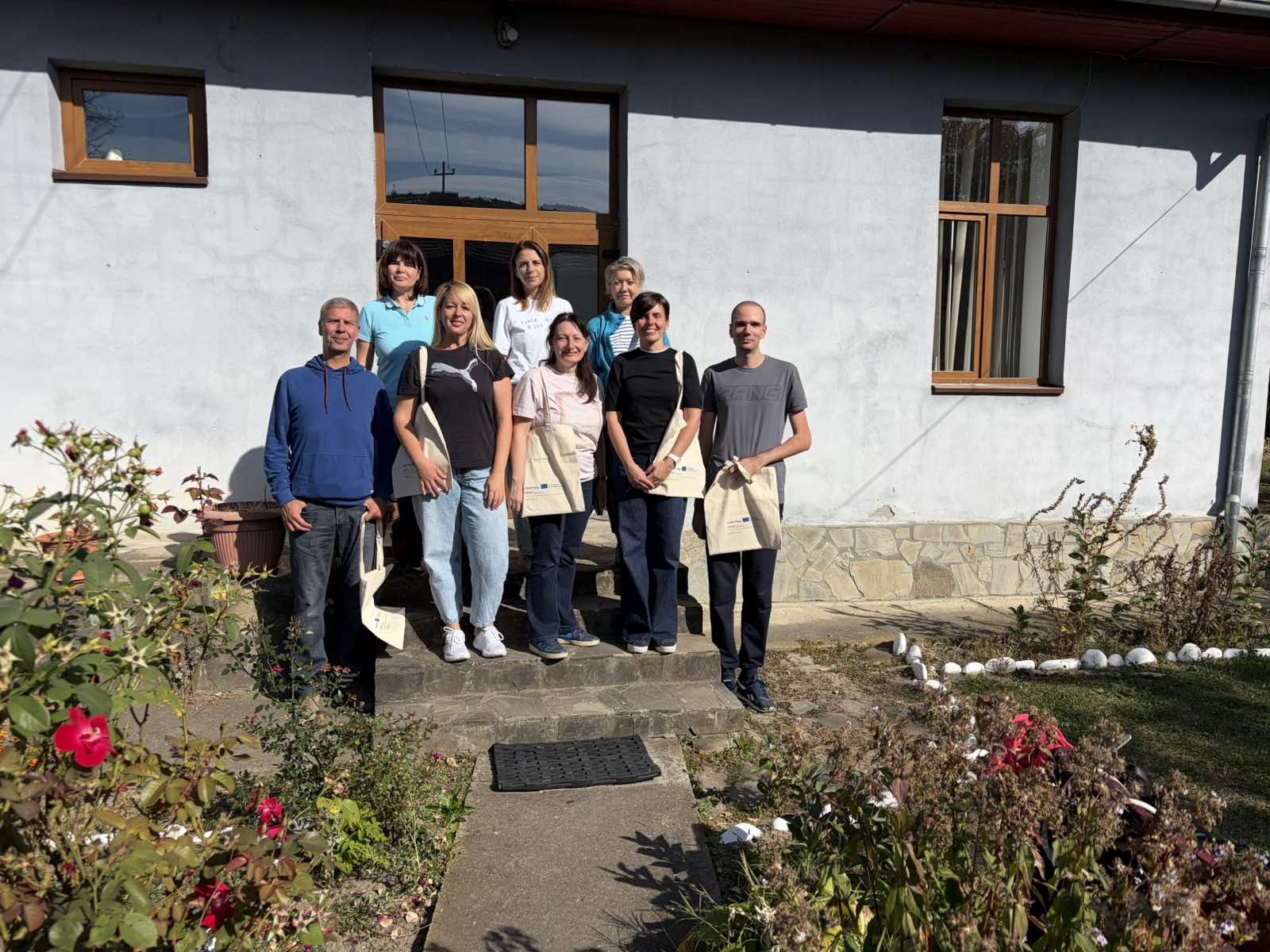
As part of the bilateral project “Regional impacts of climate change in the Danube Basin – comparative analyses of natural hazards and socio-economic development in Romania and Serbia” implemented by the Geographical Institute “Jovan Cvijić” SASA and the Institute of Geography RA, a research team from the Geographical Institute “Jovan Cvijić” SASA, Dr. Ana Milanović Pešić (project leader representing GIJCSASA), Dr. Milena Panić, Dr. Suzana Lović-Obradović, Dr. Boško Milovanović, and Dr. Stefan Denda, (GIJCSASA project team members) realized a study stay in the Republic of Romania on October 5–9, 2026.

The study stay constituted one of the project activities undertaken by researchers from our Institute engaged in this project. The project is being implemented within the framework of the Joint Research Projects Programme of the Serbian Academy of Sciences and Arts (SASA) and the Romanian Academy (RA) for the 2025–2027 period.

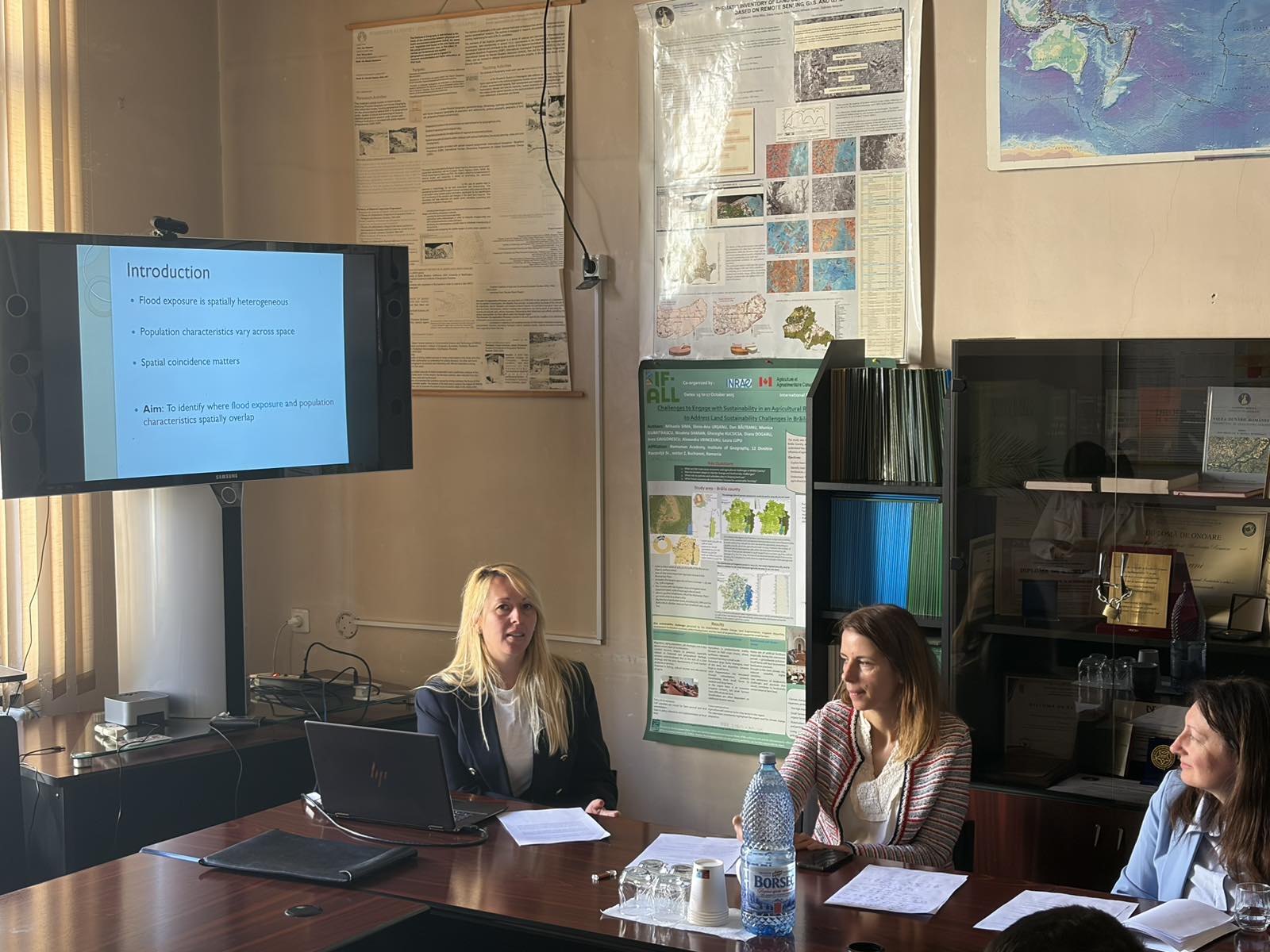
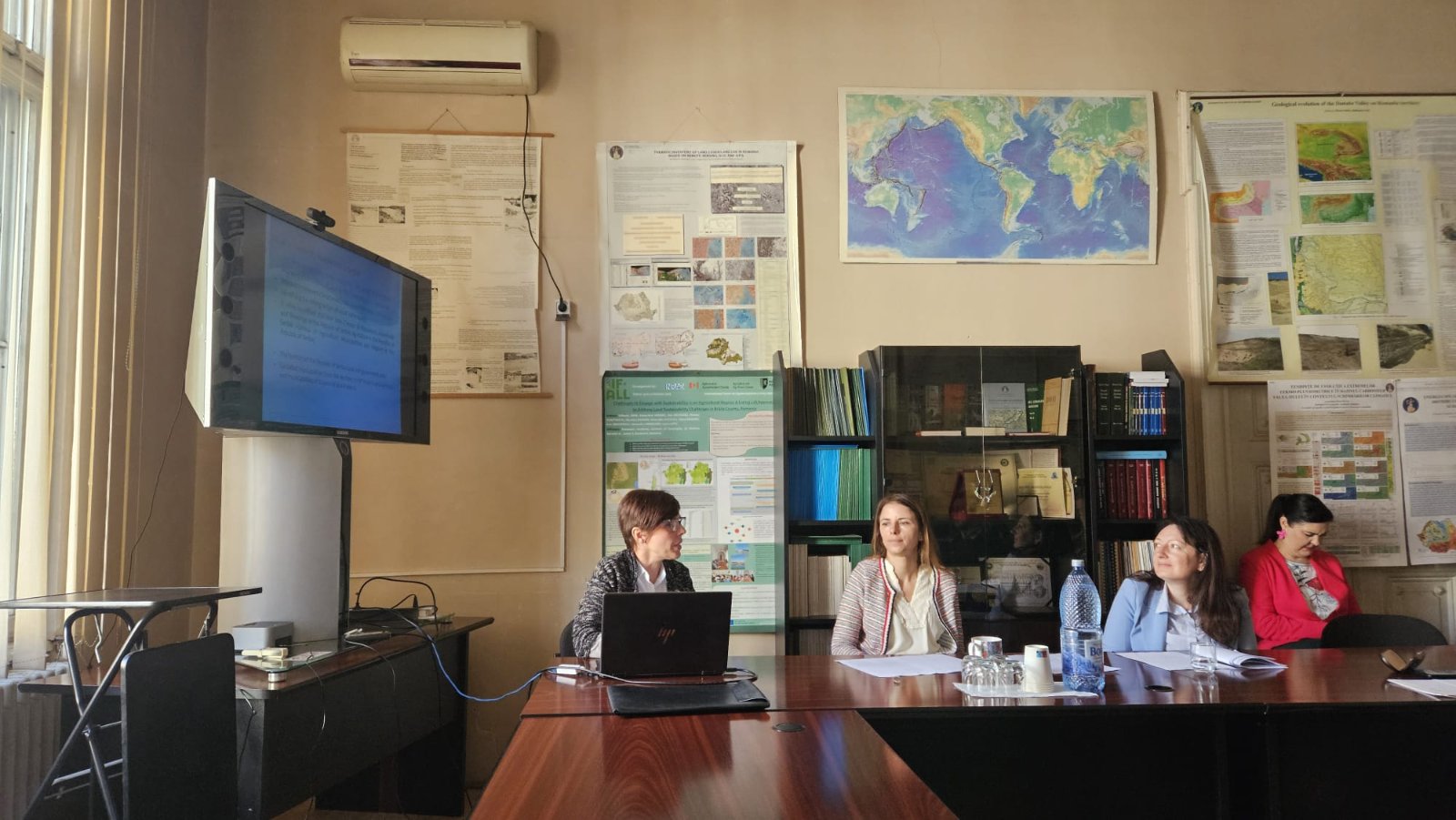
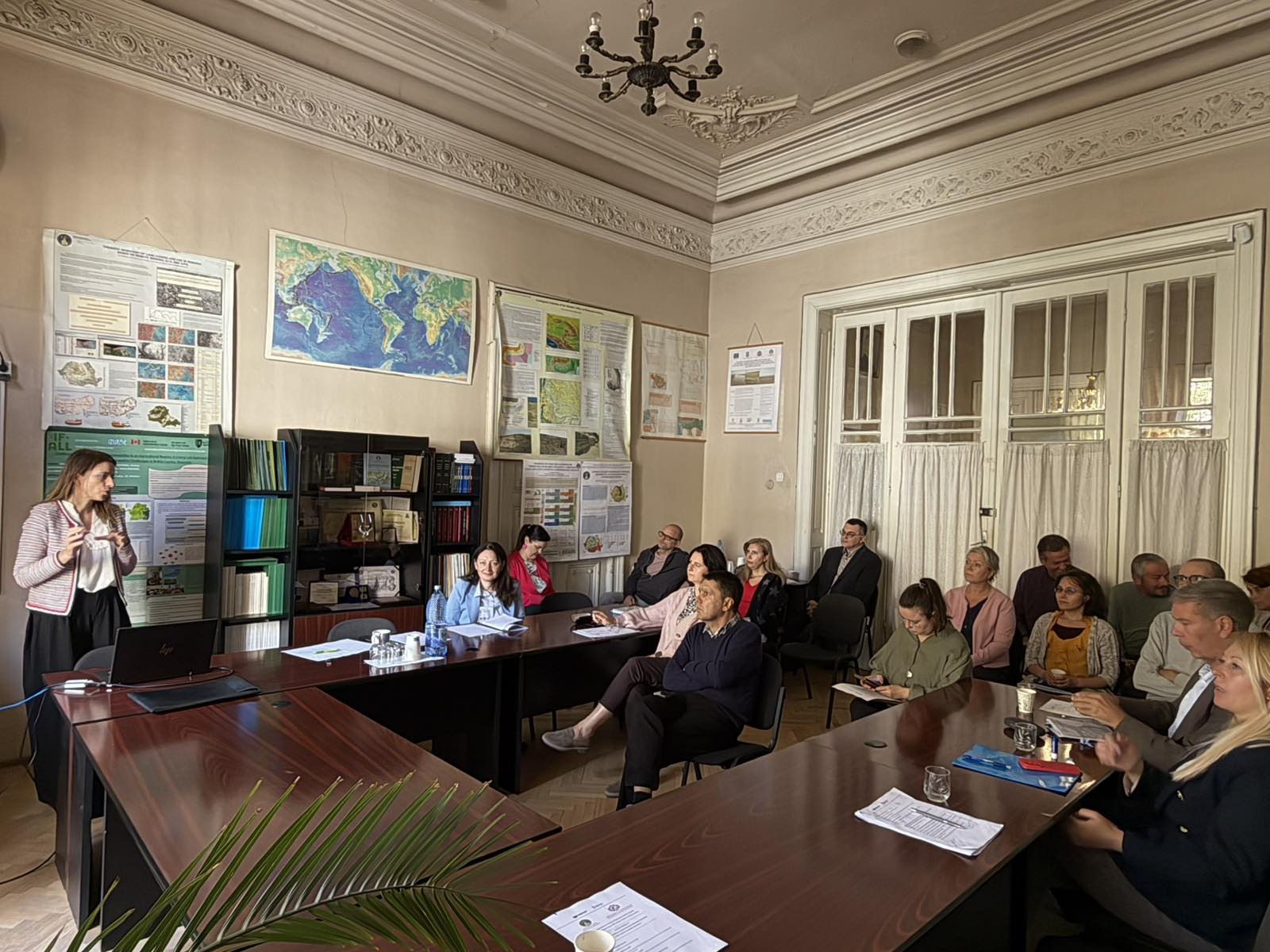
During this visit, a session of scientific lectures was held on October 6, 2026, at the Institute of Geography RA. The session addressed major natural hazards affecting both countries, including floods, droughts, and climate change, as well as issues related to social vulnerability and population exposure to natural disasters. The second part of the meeting included a roundtable titled “Geographical Studies of Natural Hazards in Romania and Serbia.” This discussion examined the availability and comparability of databases, the harmonization of indicators, the development of shared methodological approaches for Romania and Serbia, and opportunities for cross-border cooperation in natural hazard assessment.

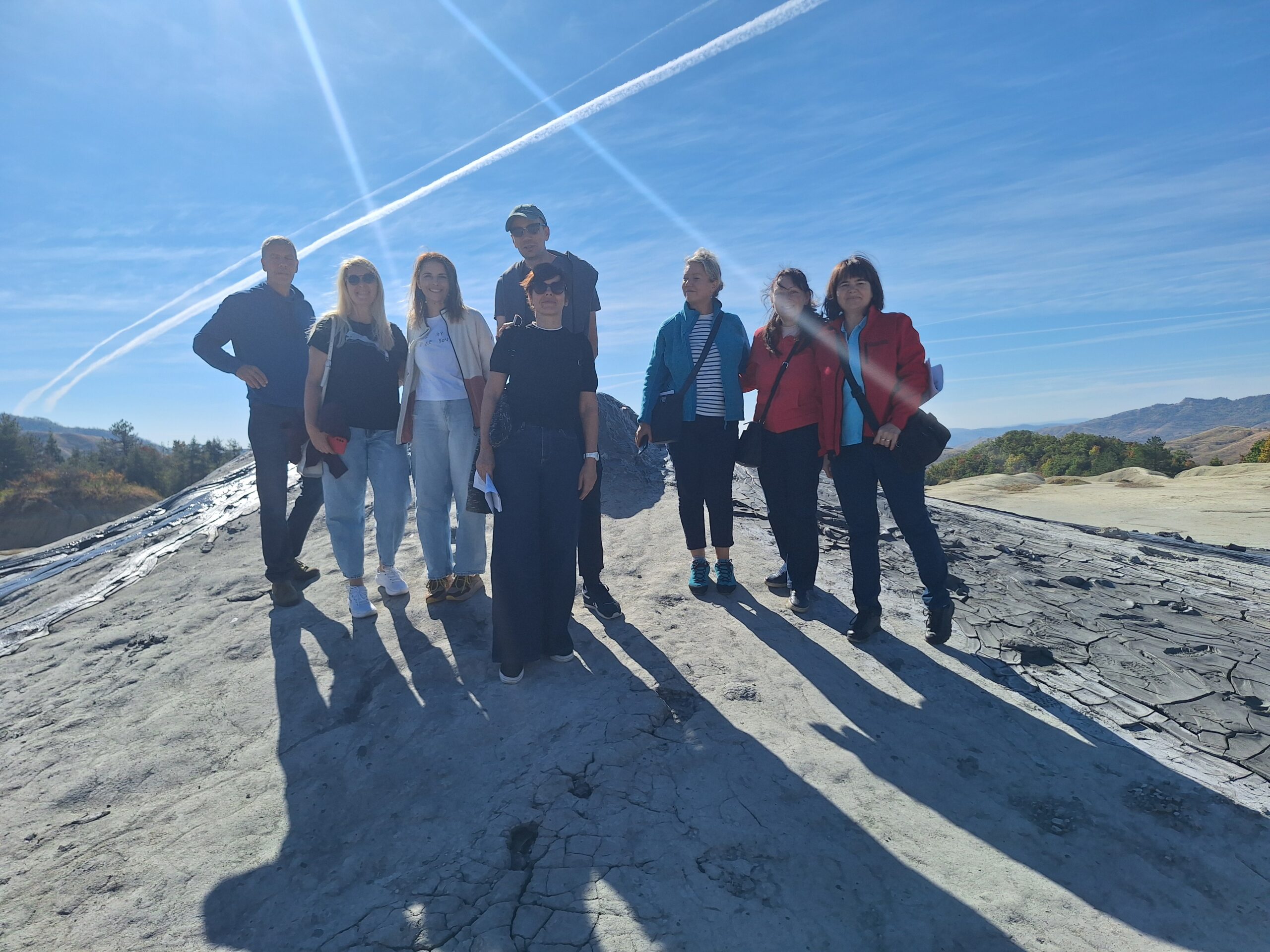
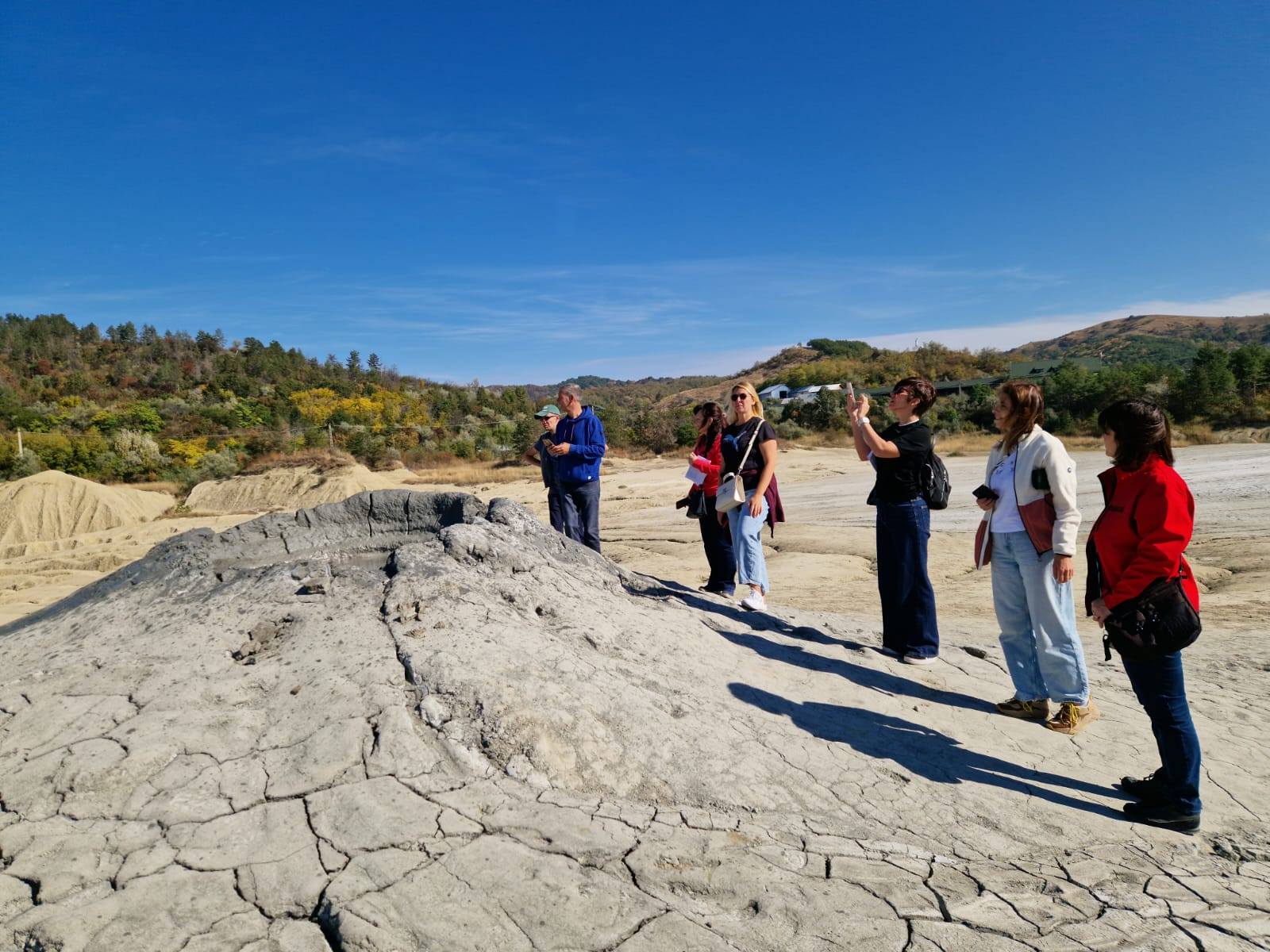
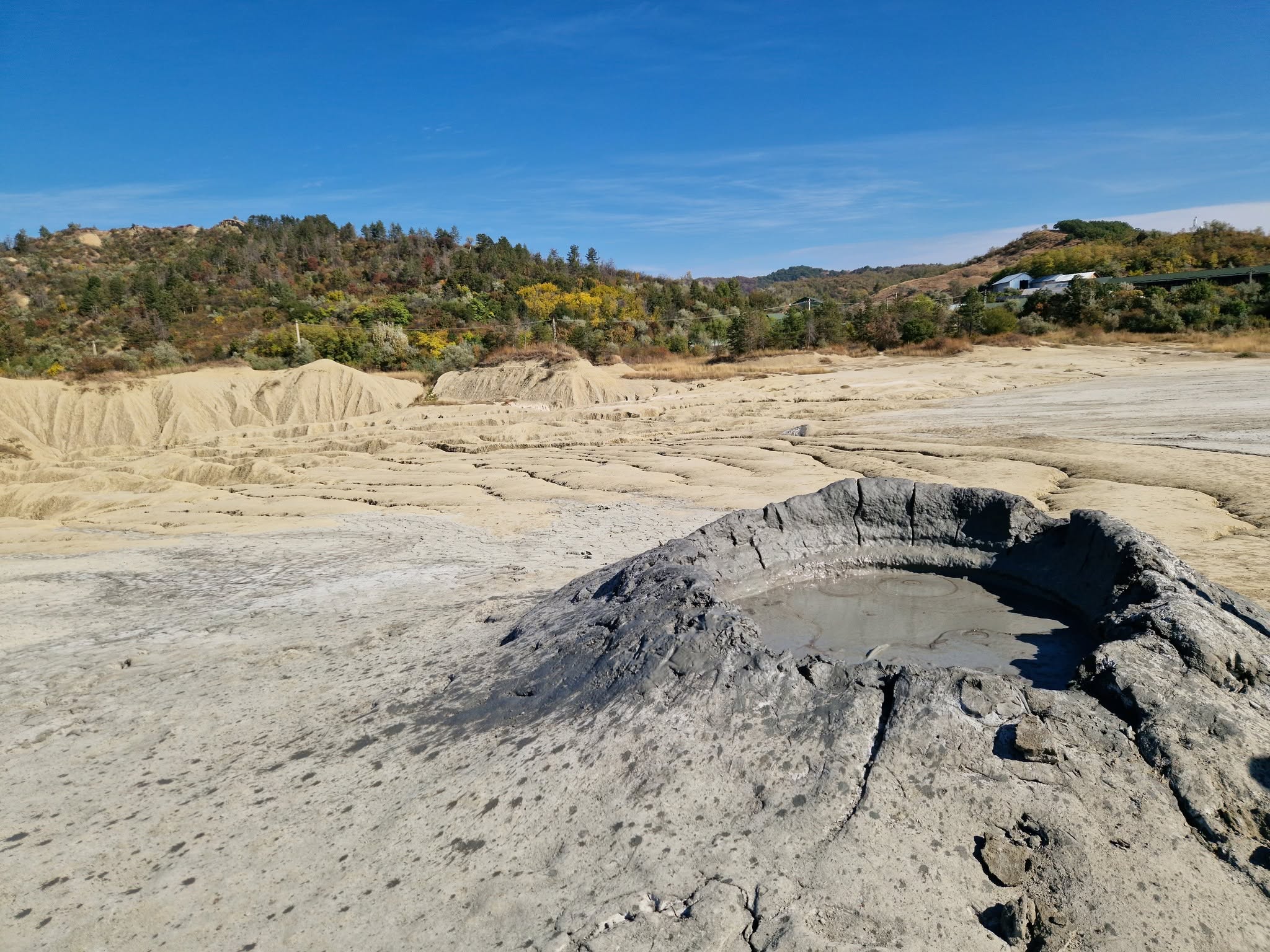
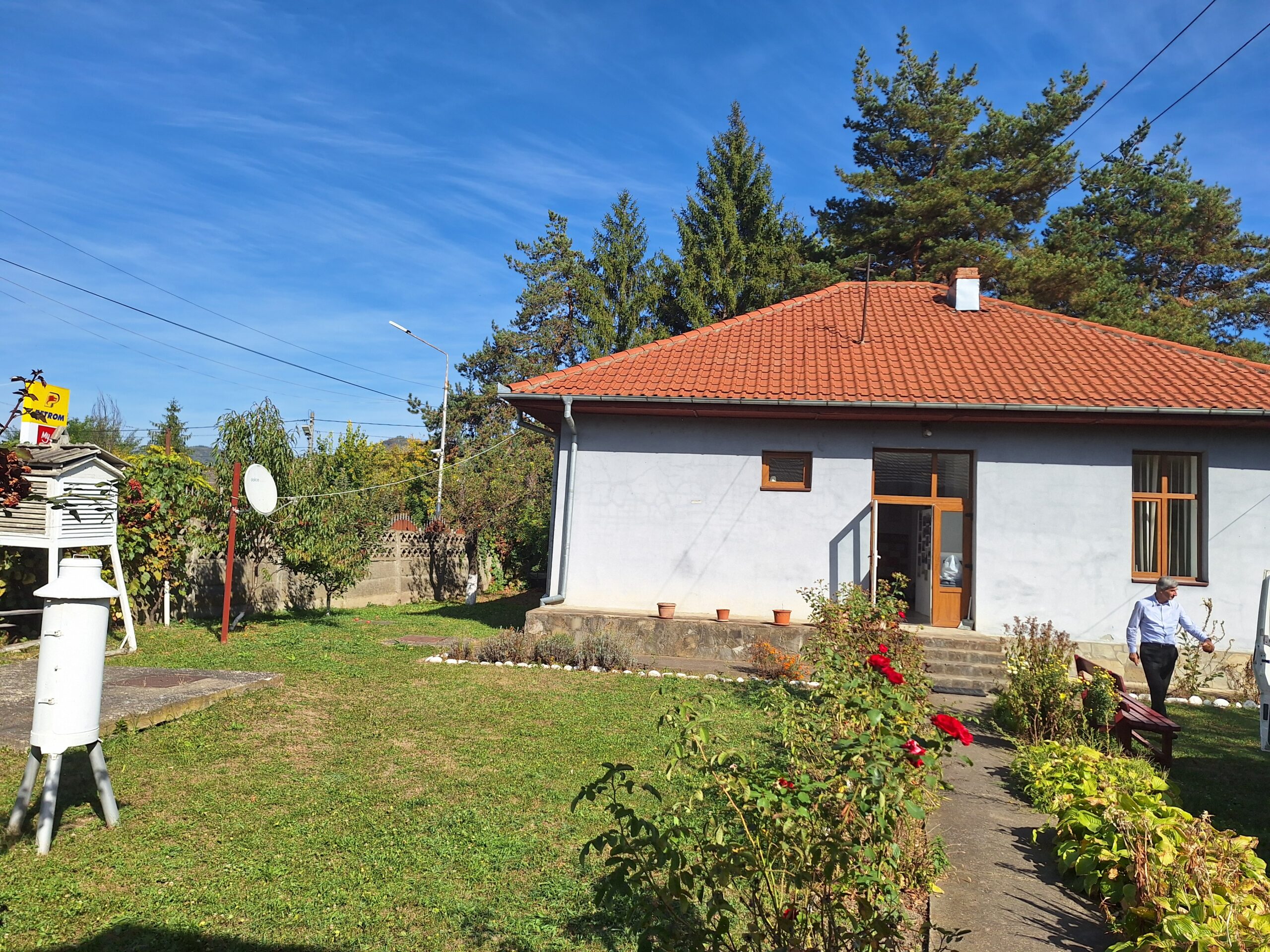
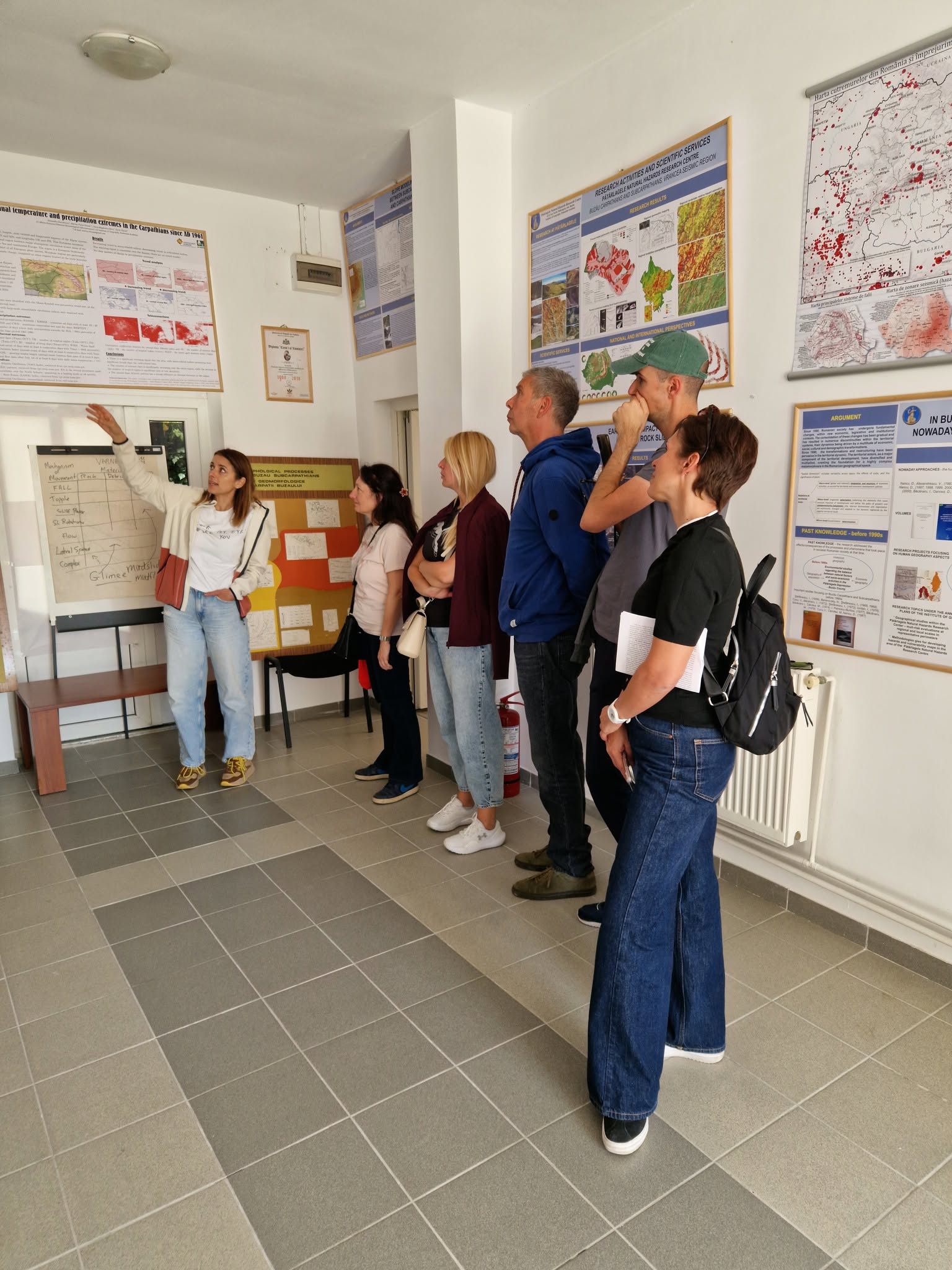
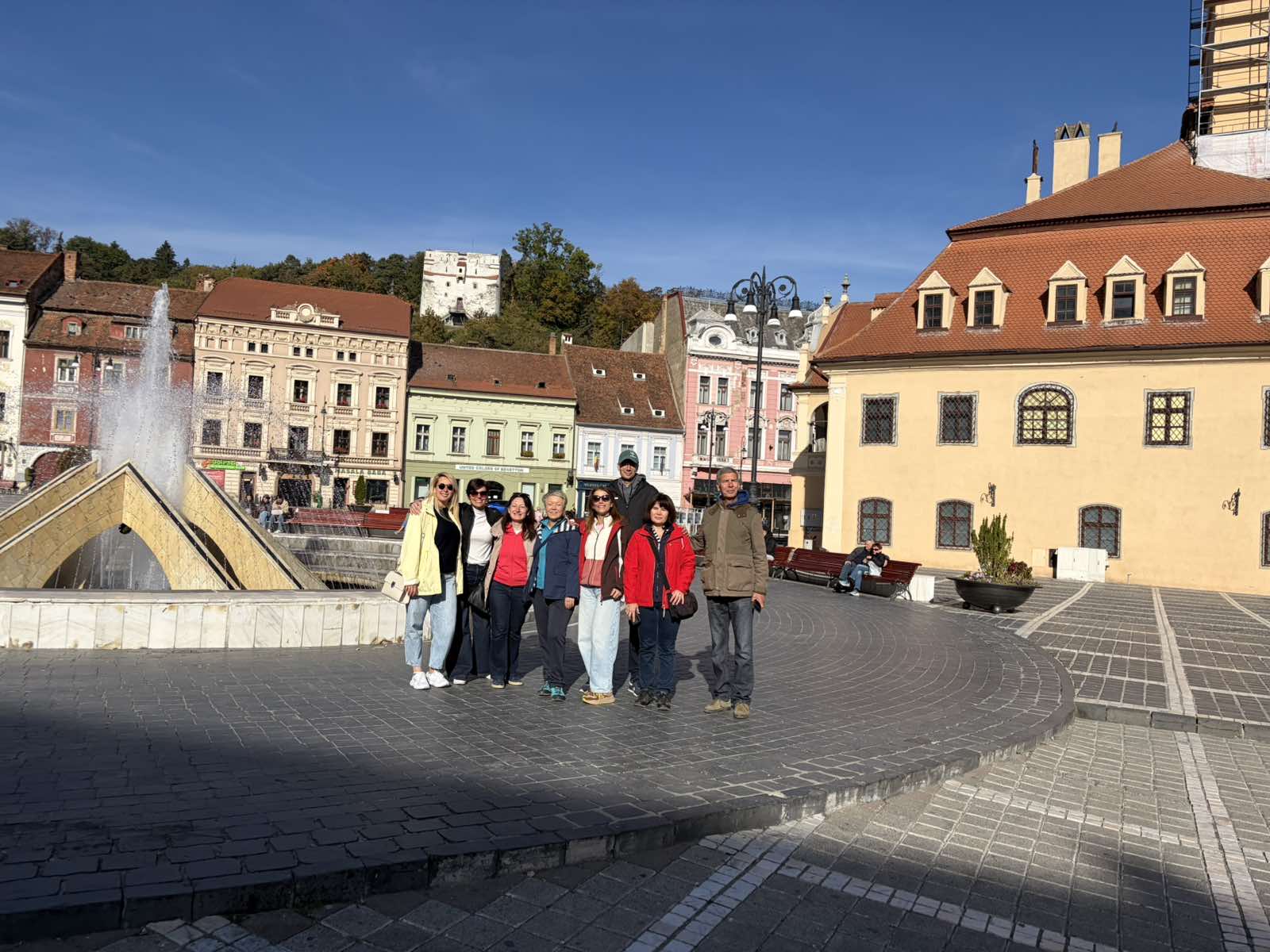
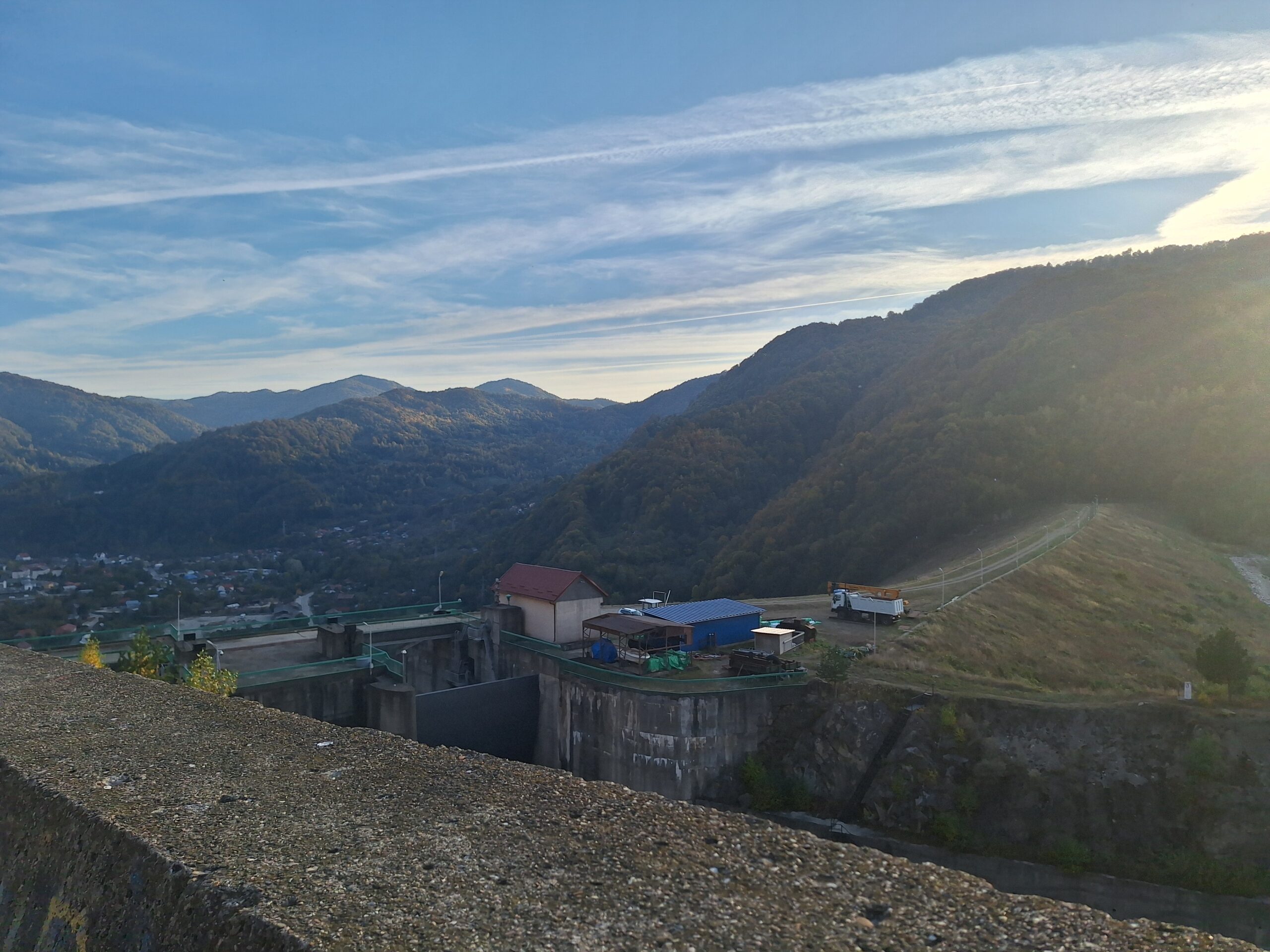
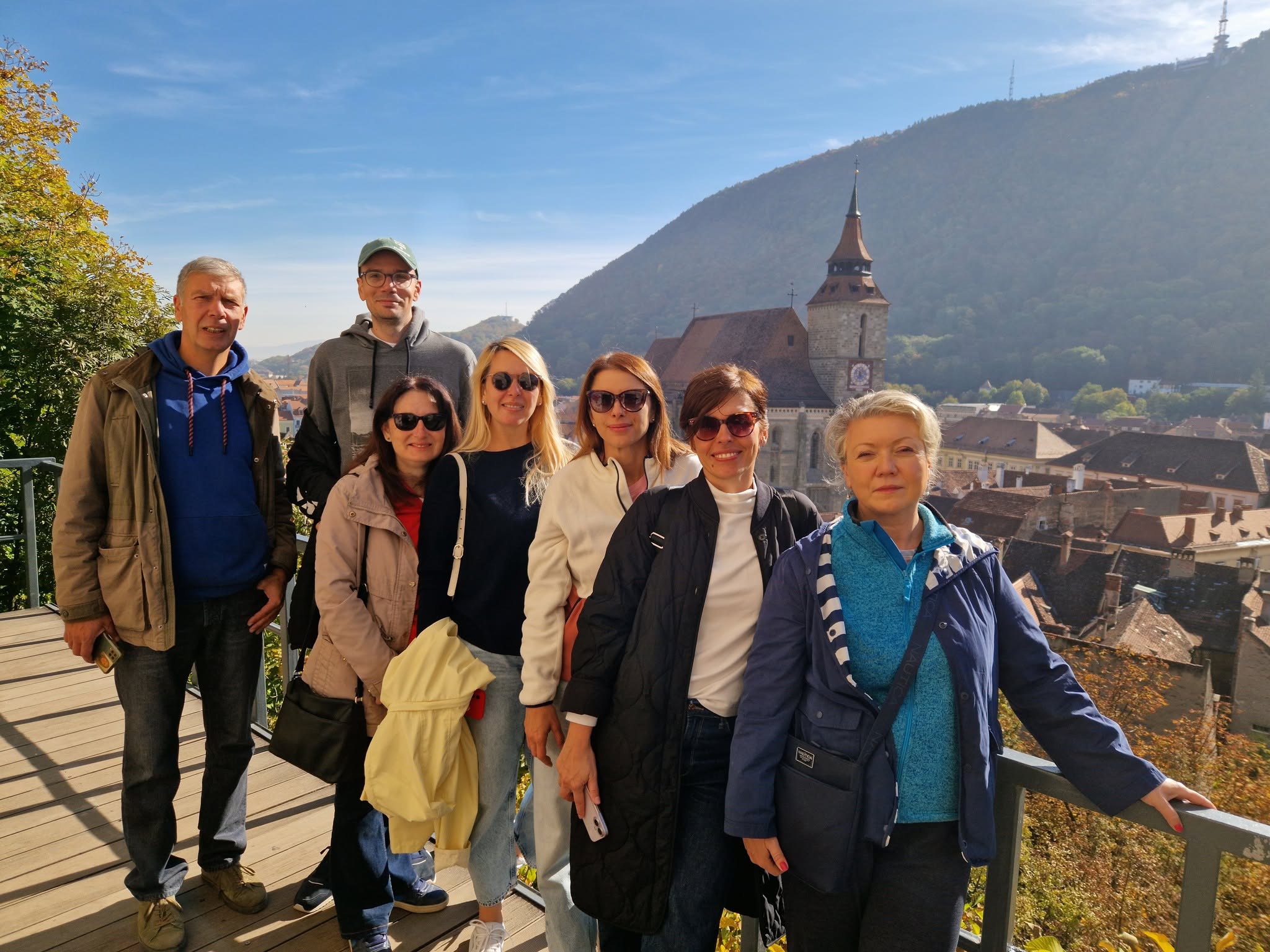
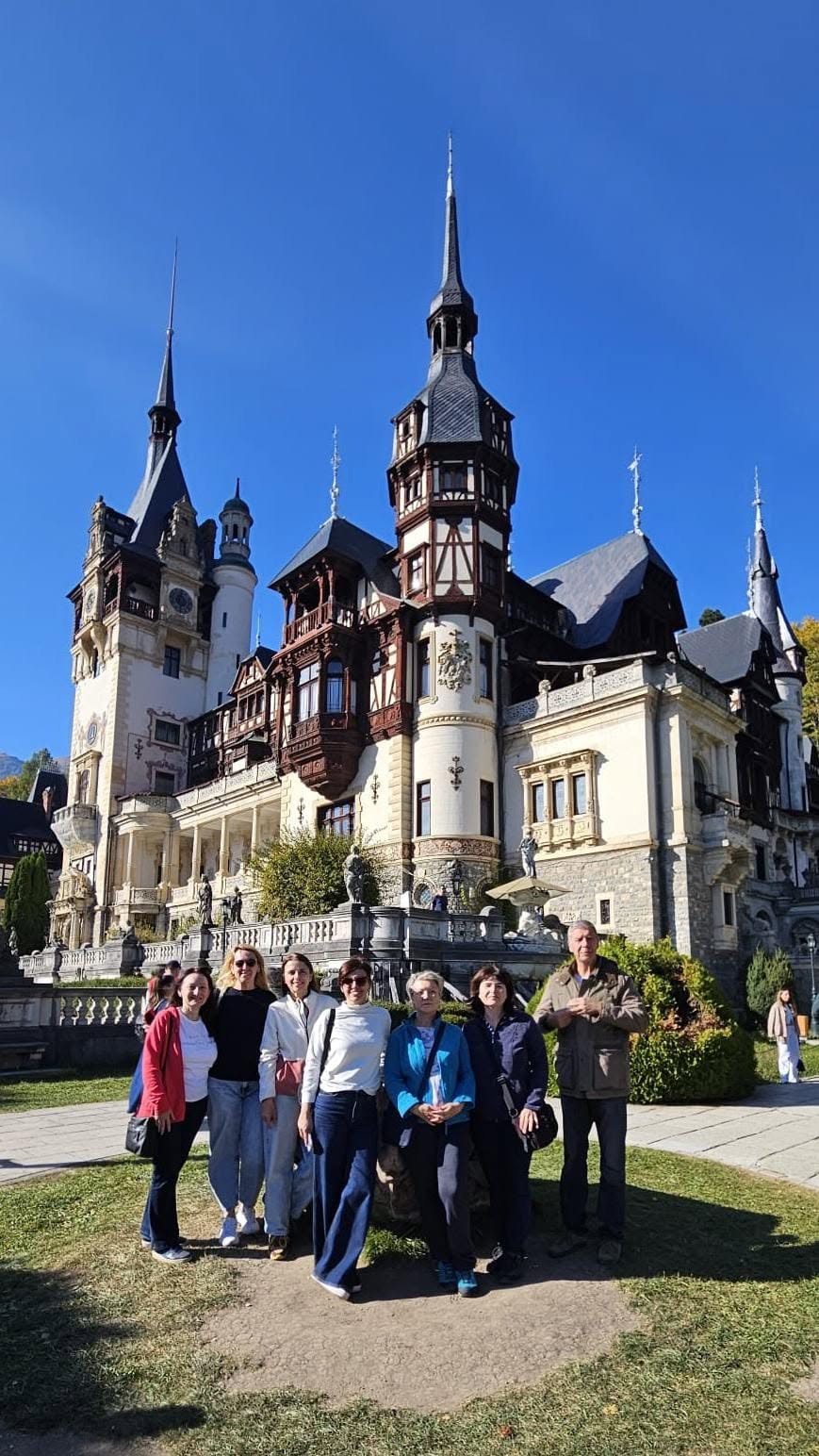
After Bucharest, the visit to Romania continued with the realization of fieldwork in the Sub-Carpathian and Carpathian regions, focusing on the assessment of multi-hazards and associated risks. During the fieldwork, our colleagues, together with hosts, had the opportunity to visit Berca Mud Volcanoes, the Natural Hazards Research Station in Pătârlagele (managed by the Institute of Geography RA), the Siriu Dam, as well as the cities of Brașov and Sinaia. This visit provided an opportunity for discussions on multi-hazard and multi-risk phenomena and their impact on the environment and local communities.

Source: Ana Milanović Pešić

Photo:


International Scientific Conference “Hydrometeorological extreme events and past floods in changing environments. From small mountain headwaters to large transboundary basins and coastal regions”

Date: 2026-09-15 to 2026-09-18
Venue: Timisoara, Romania
Organisers: PAGES Floods Working Group, Department of Geography, West University of Timisoara (Romania), Department of Physical and Environmental Geography, University of Szeged (Hungary), Romanian Association of Geomorphologists

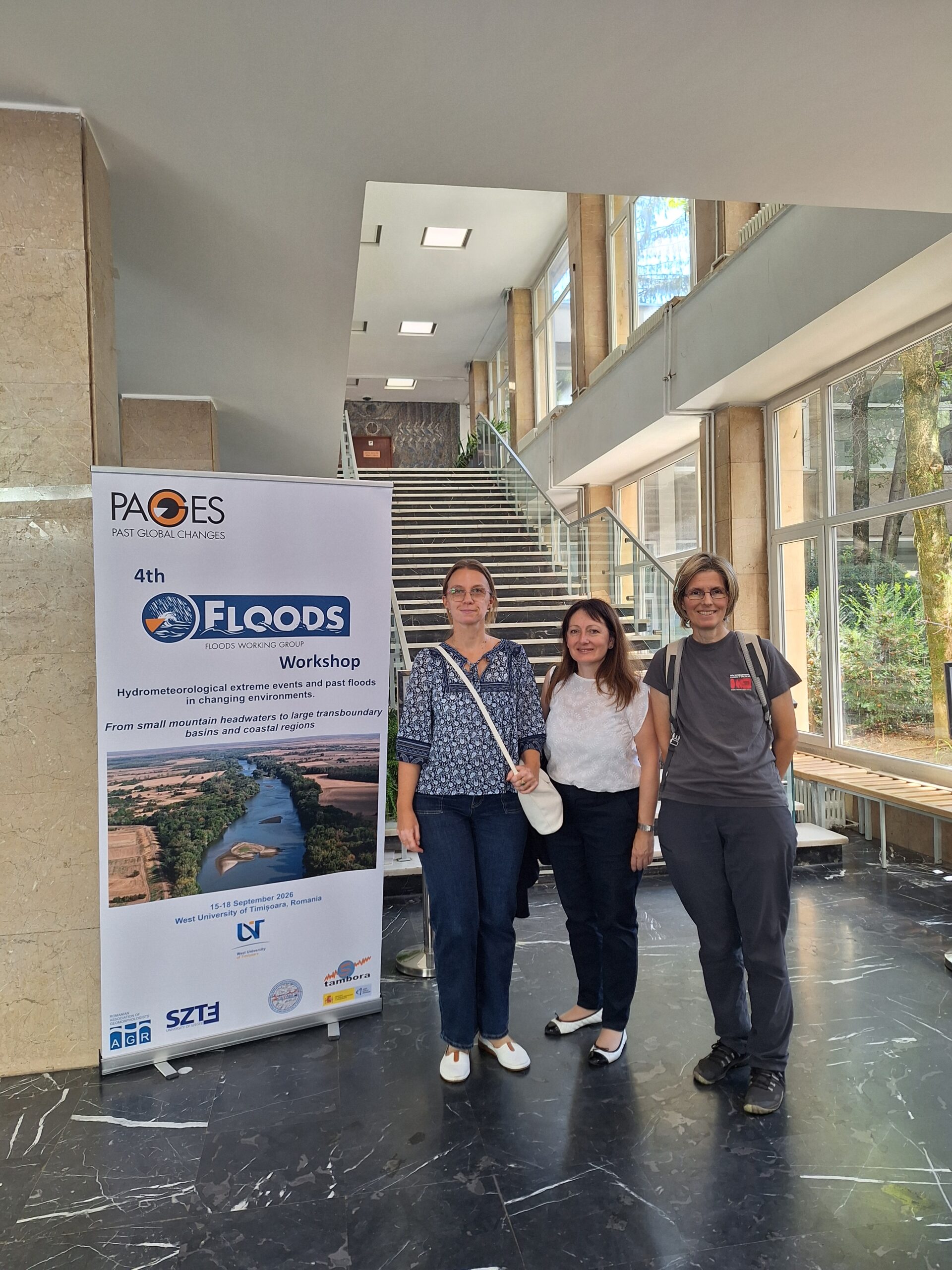
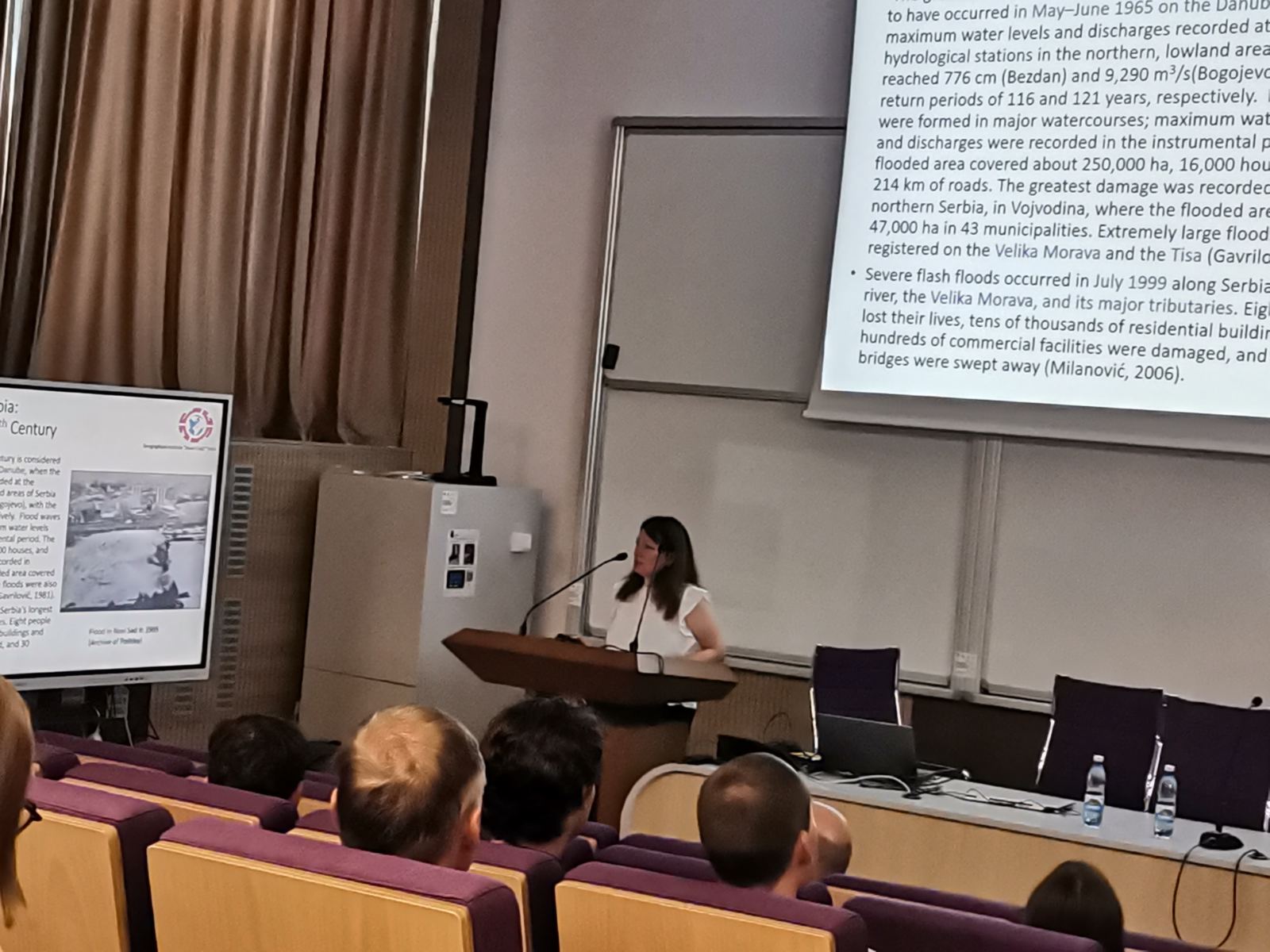
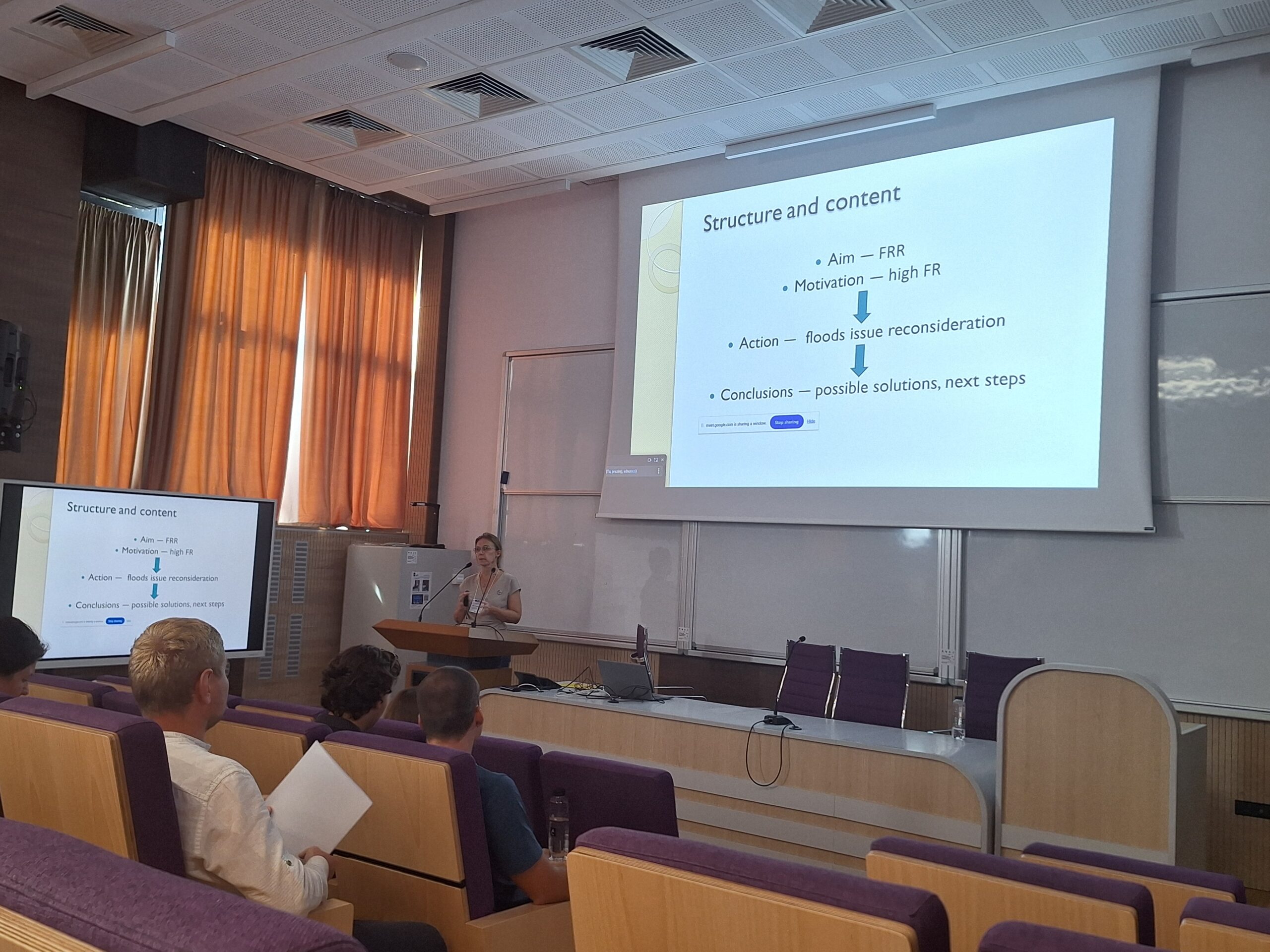
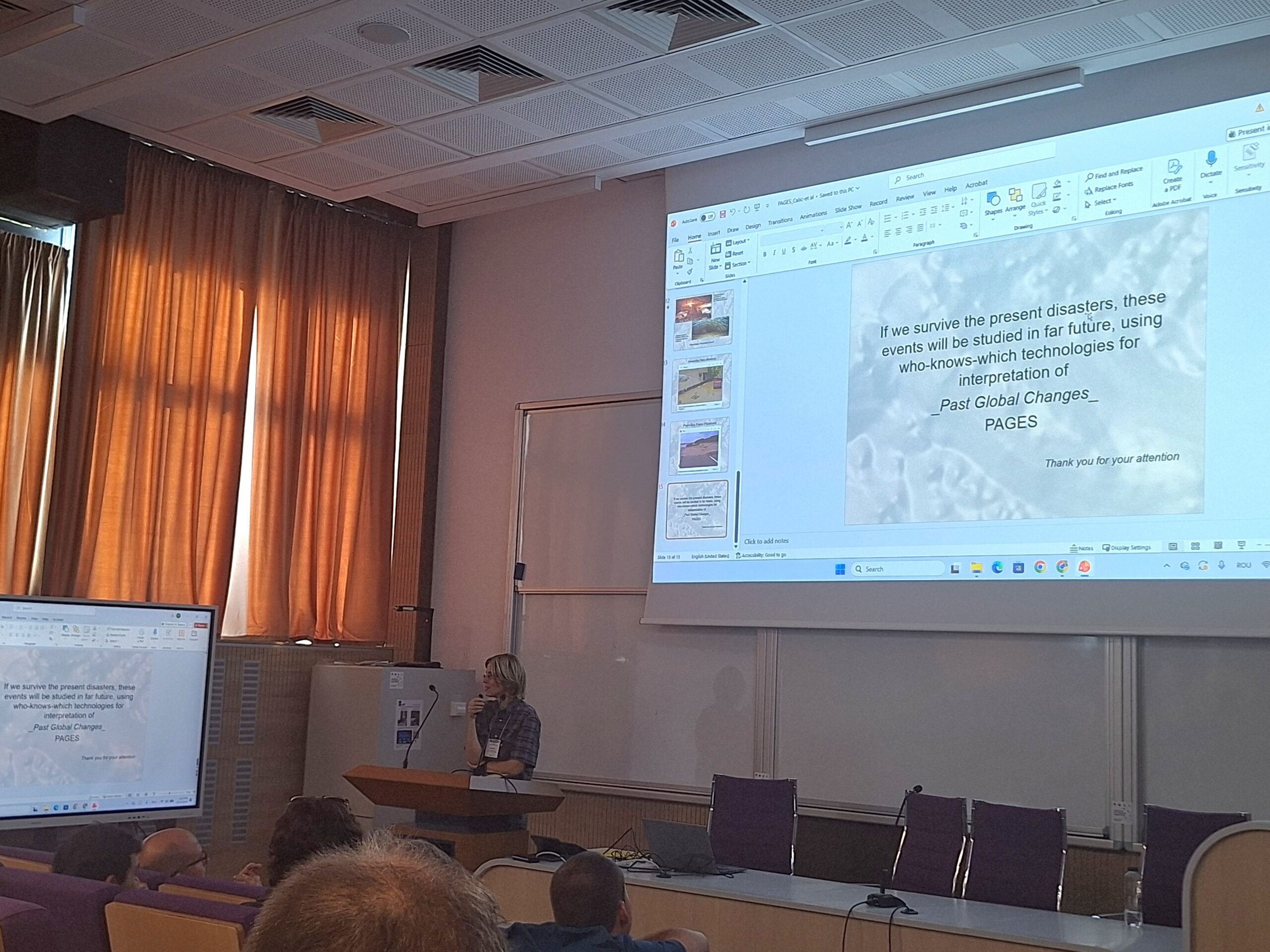
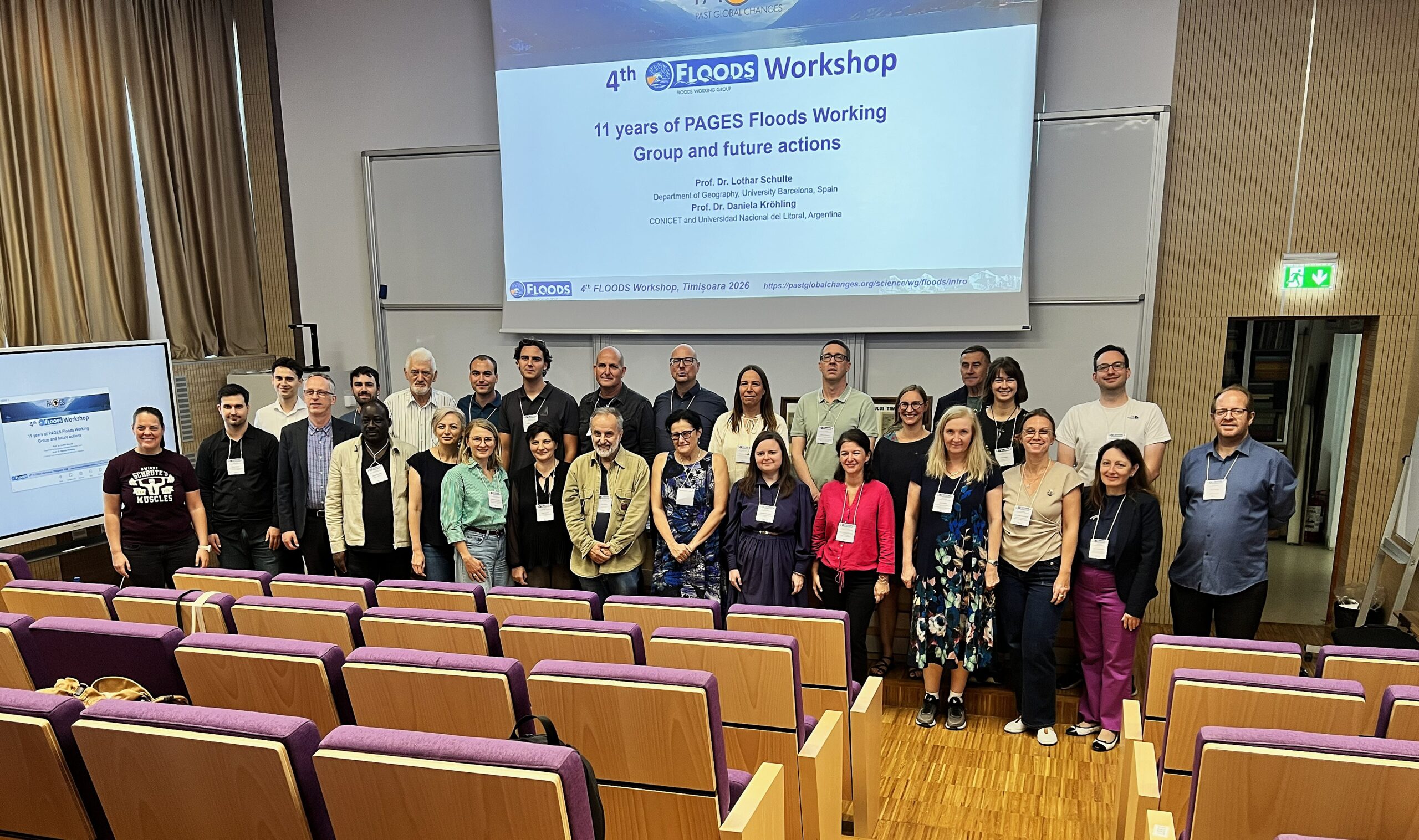
The associates at the Geographical Institute “Jovan Cvijić” of the Serbian Academy of Sciences and Arts, Dr Ana Milanović Pešić, Dr Jelena Kovačević-Majkić and Dr Jelena Ćalić, participated in the International Scientific Conference “Hydrometeorological extreme events and past floods in changing environments. From small mountain headwaters to large transboundary basins and coastal regions” and presented their scientific works. The Conference was organized as part of the 4th PAGES Floods Working Group Workshop by the PAGES Floods Working Group (Switzerland), the Department of Geography at the West University of Timișoara (Romania), the Department of Physical Geography and Geoinformatics at the University of Szeged (Hungary), and the Romanian Association of Geomorphologists. It was held at the Department of Geography of the West University of Timișoara.
Participation in the conference and its associated workshops also provided an opportunity for our colleagues to discuss possibilities for international institutional cooperation with colleagues from abroad.

Participant: Ana Milanović Pešić
Announcement title: Towards a flood-resilient Serbia: Lessons from past events and future prospects
Co-authors: Jelena Kovačević-Majkić, Jelena Ćalić

Participant: Jelena Kovačević-Majkić
Announcement title: The role of geomorphology in flood risk reduction
Co-authors: Jelena Ćalić, Ana Milanović Pešić

Participant: Jelena Ćalić
Announcement title: Geomorphological consequences of September 2014 torrential floods in the downstream part of the Danube Gorge (Djerdap, Porţile de Fier)
Co-authors: Marko V. Milošević, Jelena Kovačević-Majkić, Ana Milanović Pešić

Photo:


Lecture on Old Folk Sports and Intangible Cultural Heritage at the “Days of Jovan Cvijić” Event in Loznica

Date: 9 October 2026
Venue: “Vuk Karadžić” Gymnasium, Loznica, Serbia.
Organizers: The City of Loznica and the “Vuk Karadžić” Cultural Center, Loznica.

Participants: Jovana Brankov
Announcement: Old Folk Sports, Games and Competitions – Preservation, Transmission of Knowledge and Presentation

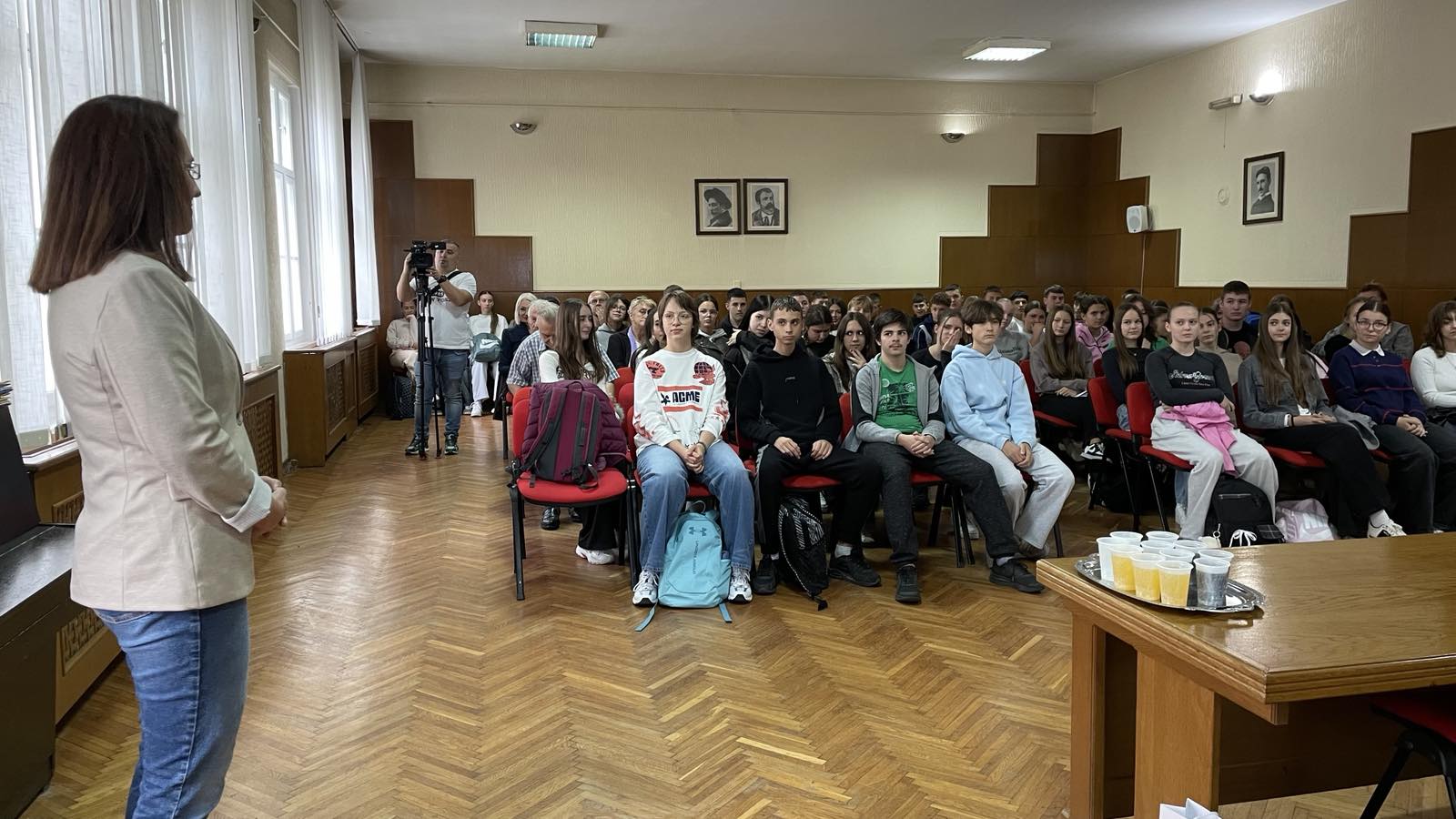
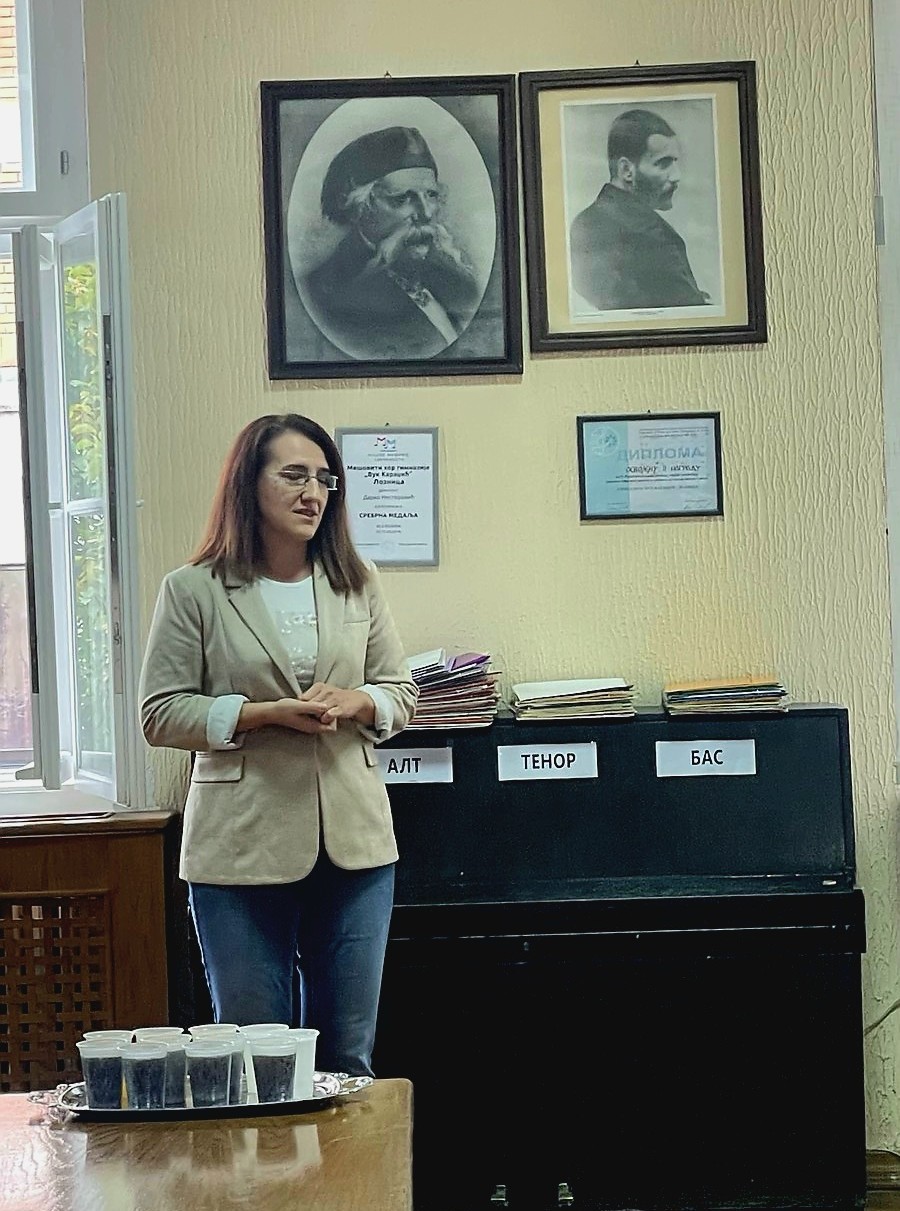
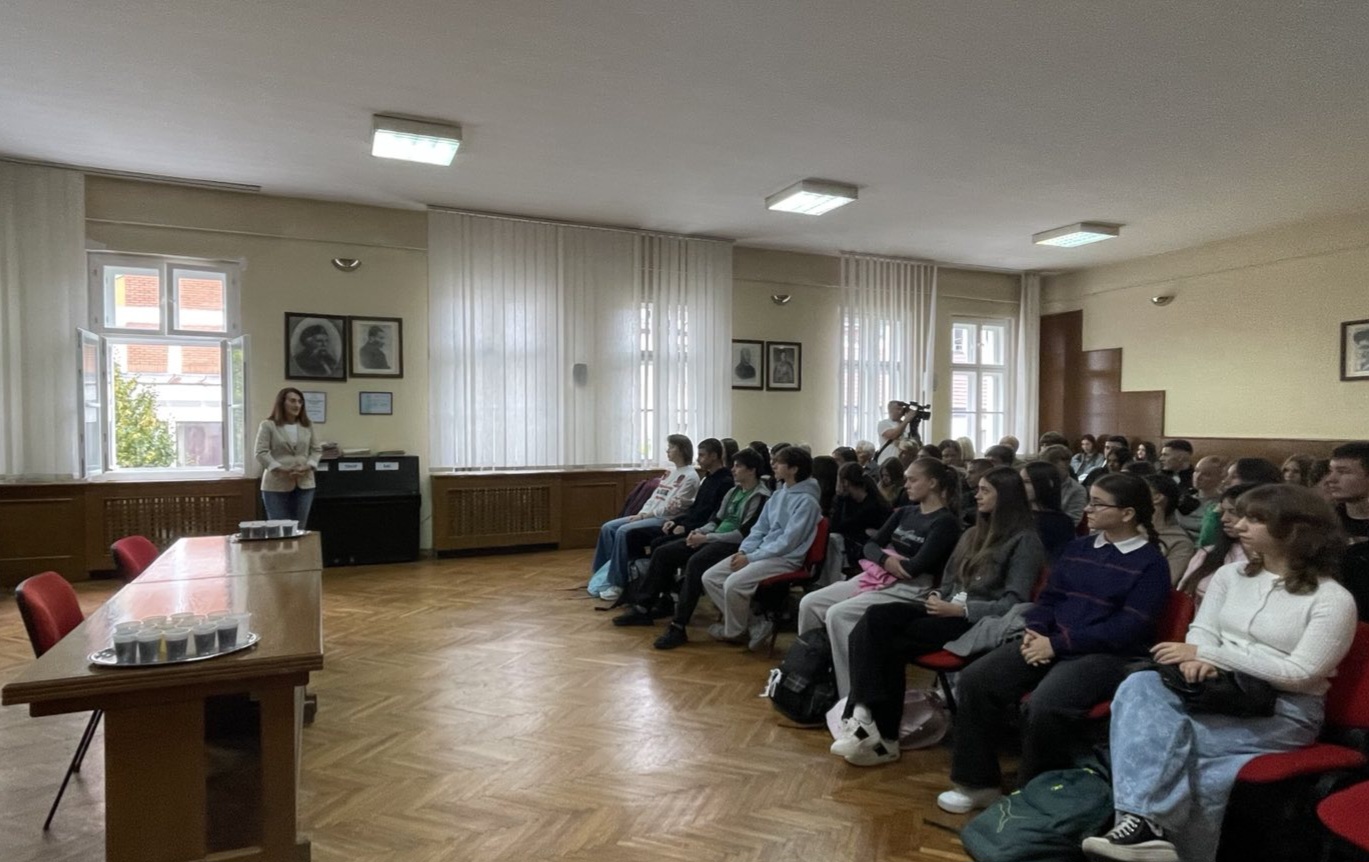
As part of the traditional “Days of Jovan Cvijić” event, and at the invitation of the “Vuk Karadžić” Cultural Center in Loznica, associate of the Geographical Institute “Jovan Cvijić” SASA Dr Jovana Brankov delivered a lecture titled “Old Folk Sports, Games, and Competitions – Preservation, Transmission of Knowledge, and Presentation”. The lecture took place on October 9, 2026, at the “Vuk Karadžić” Gymnasium in Loznica, with the aim of introducing high school students and all attendees to traditional sports and games—an endangered segment of the intangible cultural heritage of Serbia. During the presentation, Dr Jovana Brankov also introduced a book of the same title, published in 2024. A specific part of the lecture focused on showcasing various sports and games that were once widespread but have largely been forgotten today.
A TV report on the event is available at the following link: https://www.youtube.com/watch?v=qMTs7EKSFLo

Photo:

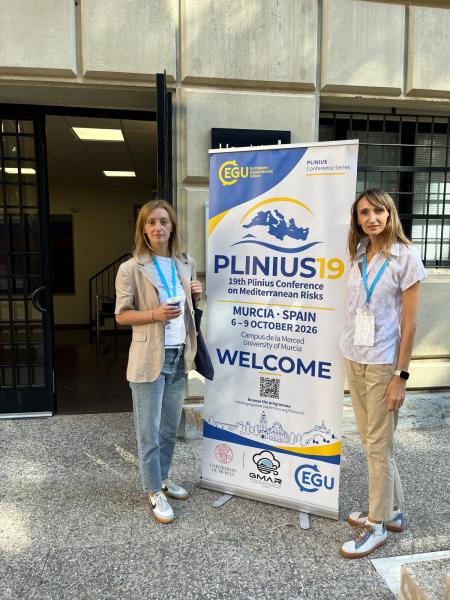
Participation in the International Conference “19th Plinius Conference on Mediterranean Risks”

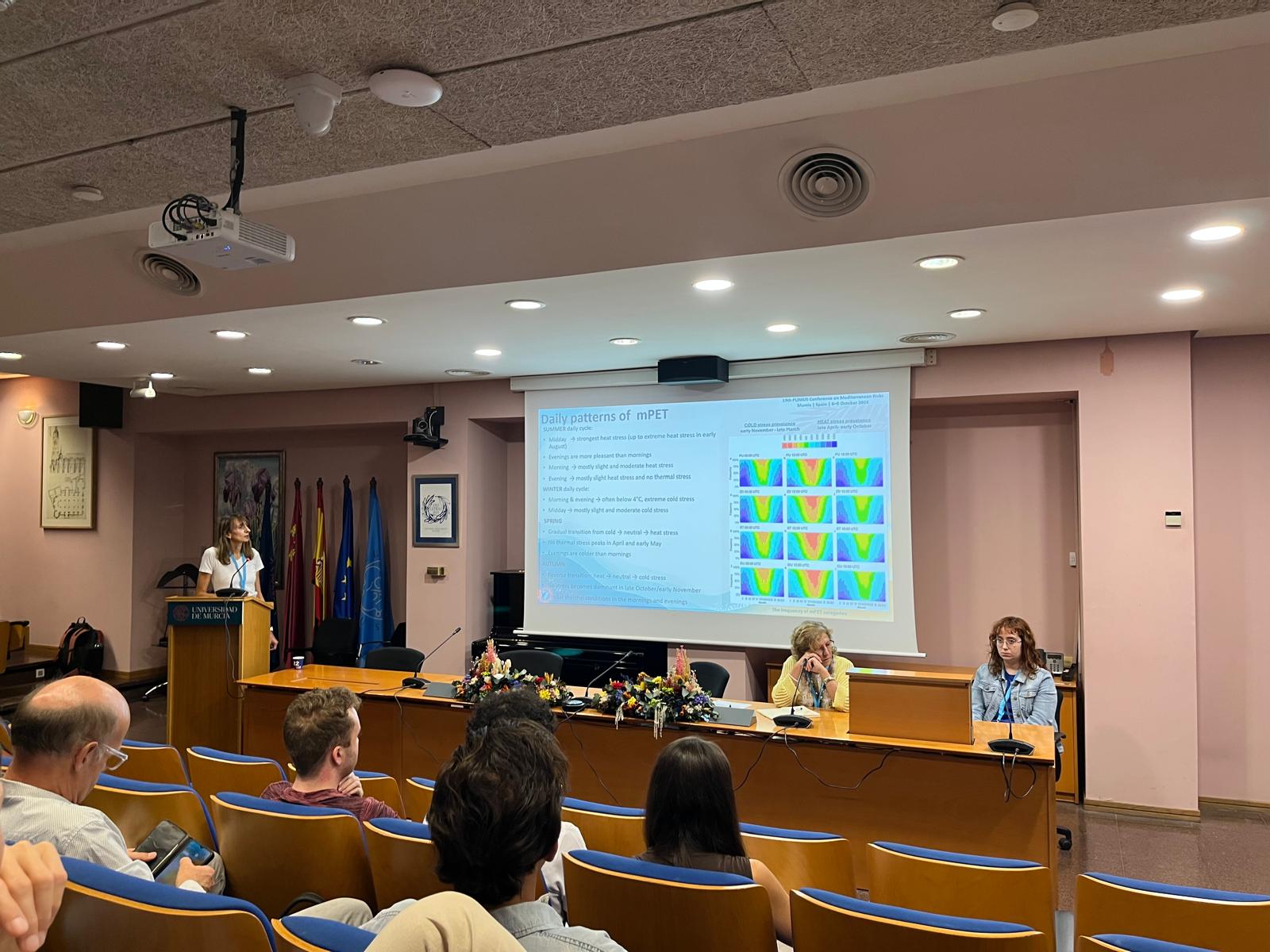
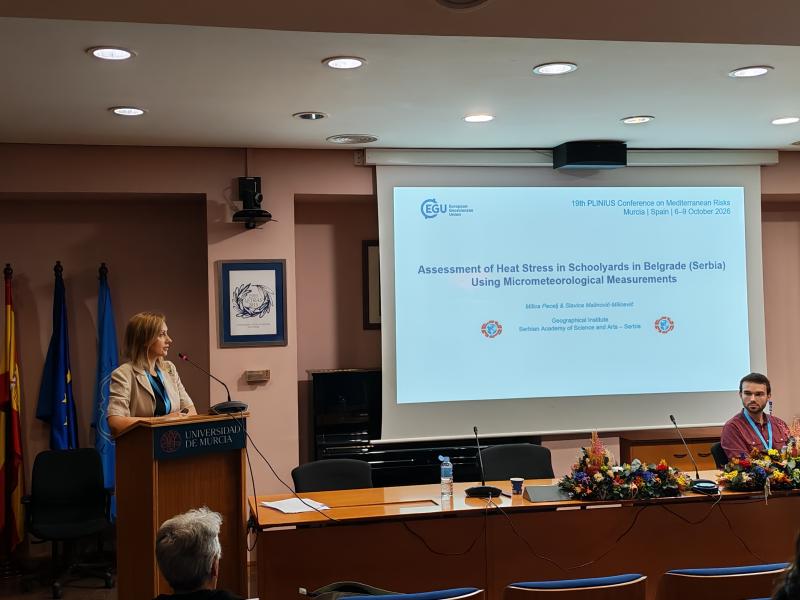
Researchers from the Geographical Institute “Jovan Cvijić” of the Serbian Academy of Sciences and Arts (SASA), Dr. Slavica Malinović-Milićević and Dr. Milica Pecelj, participated in the 19th International Plinius Conference on Mediterranean Risks, held in Murcia, Spain. At the conference, they presented two contributions showcasing the results of their latest studies. The first presentation addressed the impact of climate change on tourism, while the second assessed heat-stress conditions in Belgrade schoolyards. The second presentation highlighted activities implemented under the project “Urban Heat Under the Microscope in Schools: Monitoring, Solutions, and Climate Literacy for New Generations,” funded by the Center for the Promotion of Science.

Our colleagues used their presence at this major international gathering to stay informed about the latest scientific trends and modern methods in natural hazard research. The conference also provided opportunities to exchange experiences, build contacts with international colleagues, and strengthen the Institute’s international scientific cooperation.

Date: October 16, 2026
Source: dr Slavica Malinović-Milićević

Photos:

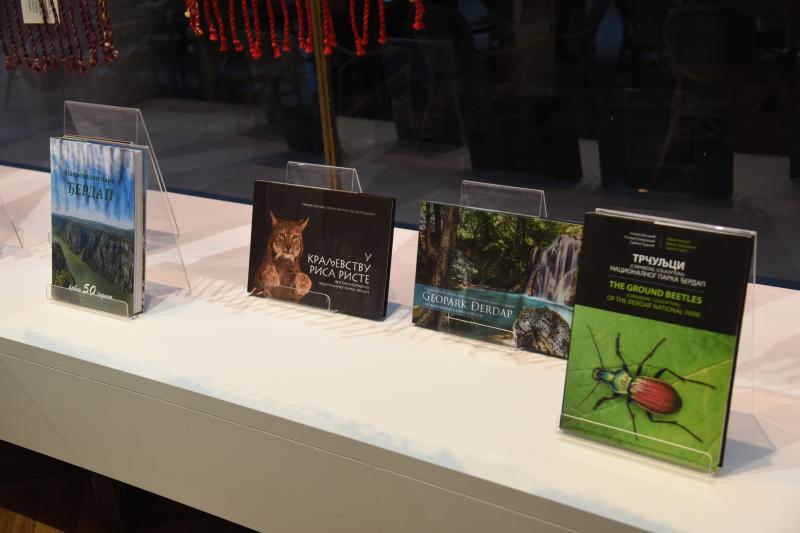
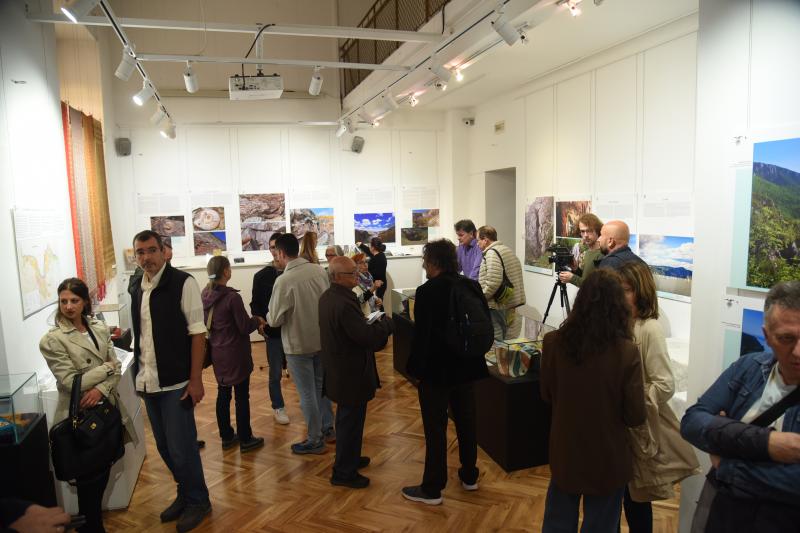
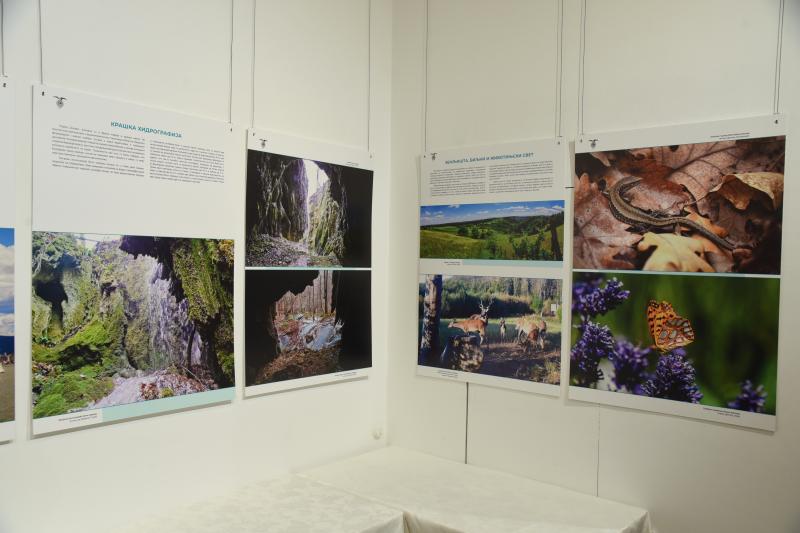
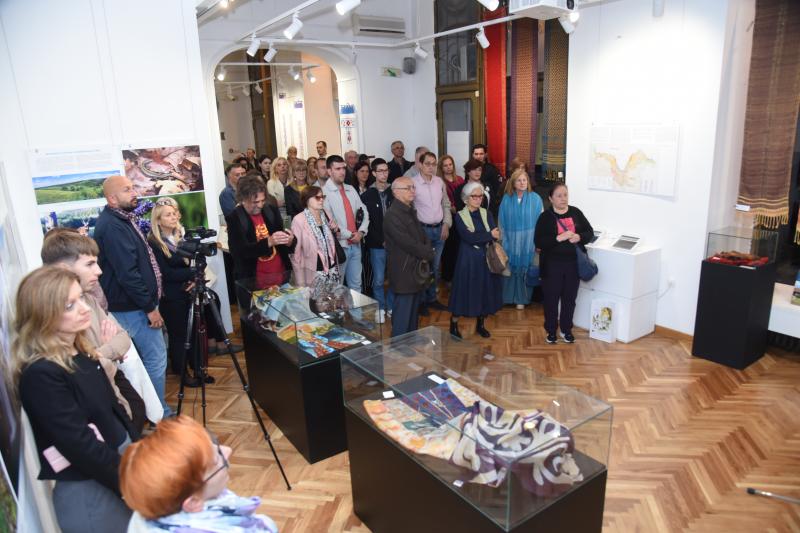
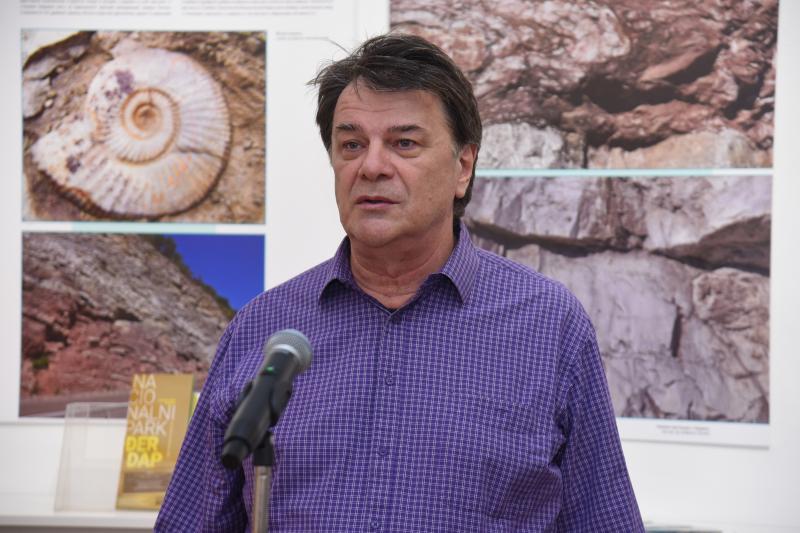
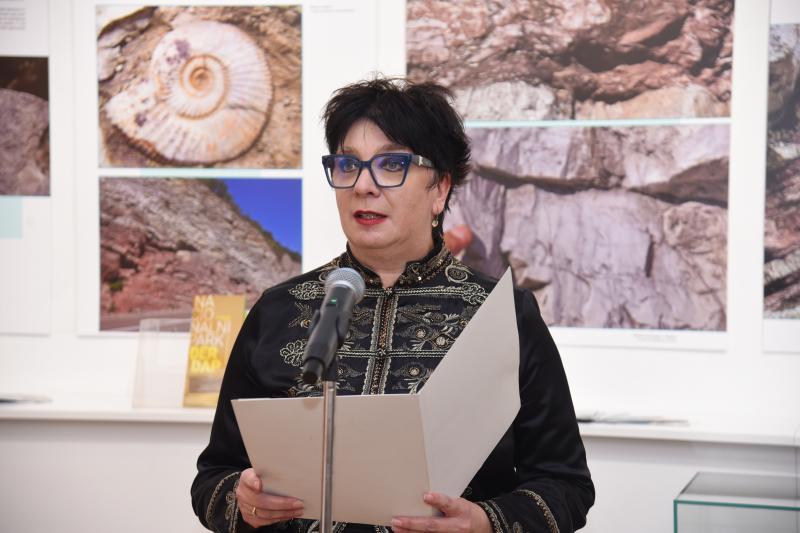
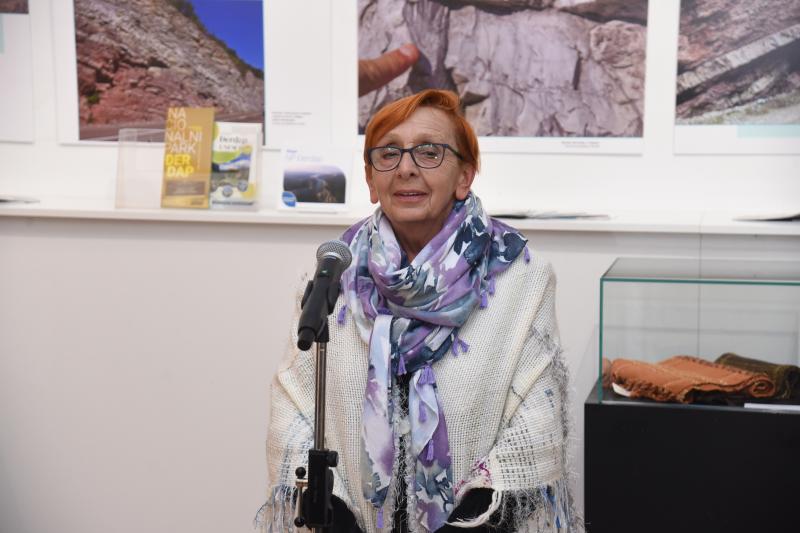
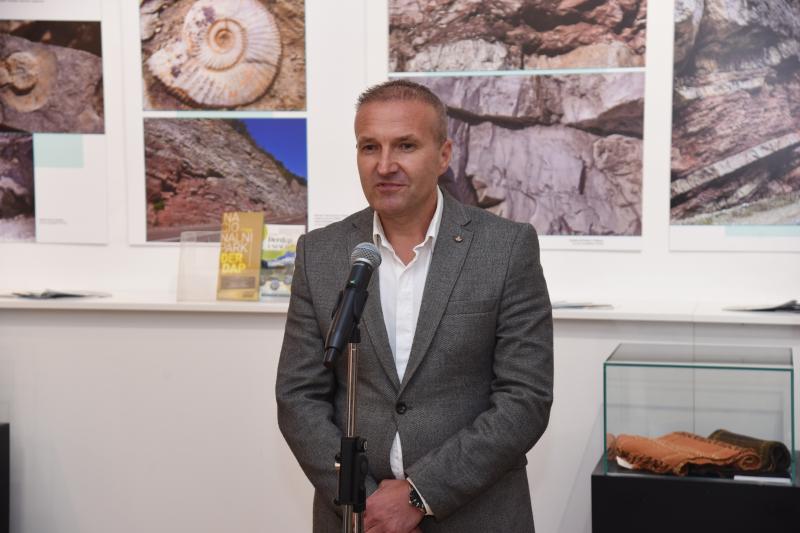
The exhibition “Geopark Đerdap, the first geopark in the Republic of Serbia”

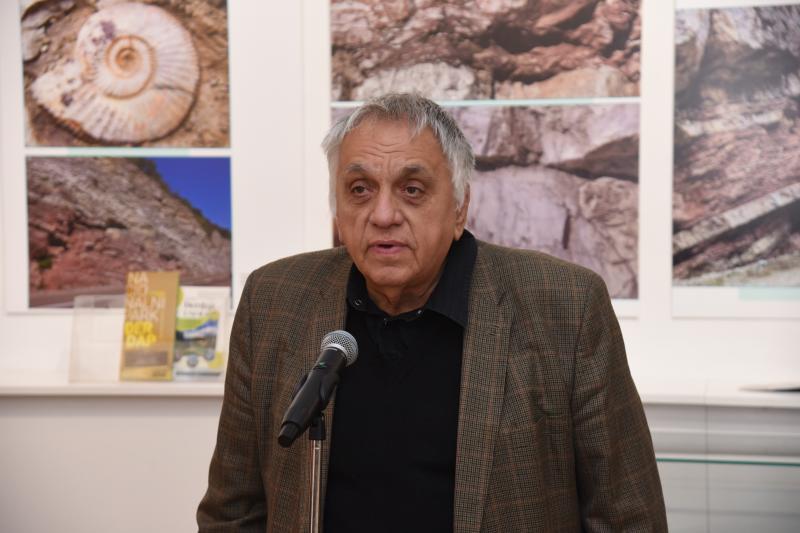
On Friday, September 25, 2026, the exhibition “Geopark Đerdap, the first geopark in the Republic of Serbia” was opened in the Gallery of Science and Technology of the Serbian Academy of Sciences and Arts, organized by the Serbian Geographical Society.

The authors of the exhibition are Dr. Milena Panić and Dr. Dobrila Lukić. The following spoke at the opening of the exhibition:

• Academician Zoran Petrović, Director of the Gallery of Science and Technology of the Serbian Academy of Sciences and Arts
• Acting Director of the Đerdap National Park, Mr. Saša Jánošević
• Director of the Golubac Fortress, Prof. Dr. Iskra Maksimović
• President of the Serbian Geographical Society, Dr. Dobrila Lukić
• Director of the Geographical Institute “Jovan Cvijić”, Dr. Milan Radovanović.


Date: September 30, 2026
Source: dr Milena Panić

Foto gallery: